

Playbook
Truck Placement SLA: Holding Carriers to It.
A carrier accepts an indent and the truck appears the next afternoon. Every hour lost before the gate is an hour the dispatch plan cannot recover.
A carrier accepts an indent and the truck appears the next afternoon. Every hour lost before the gate is an hour the dispatch plan cannot recover.
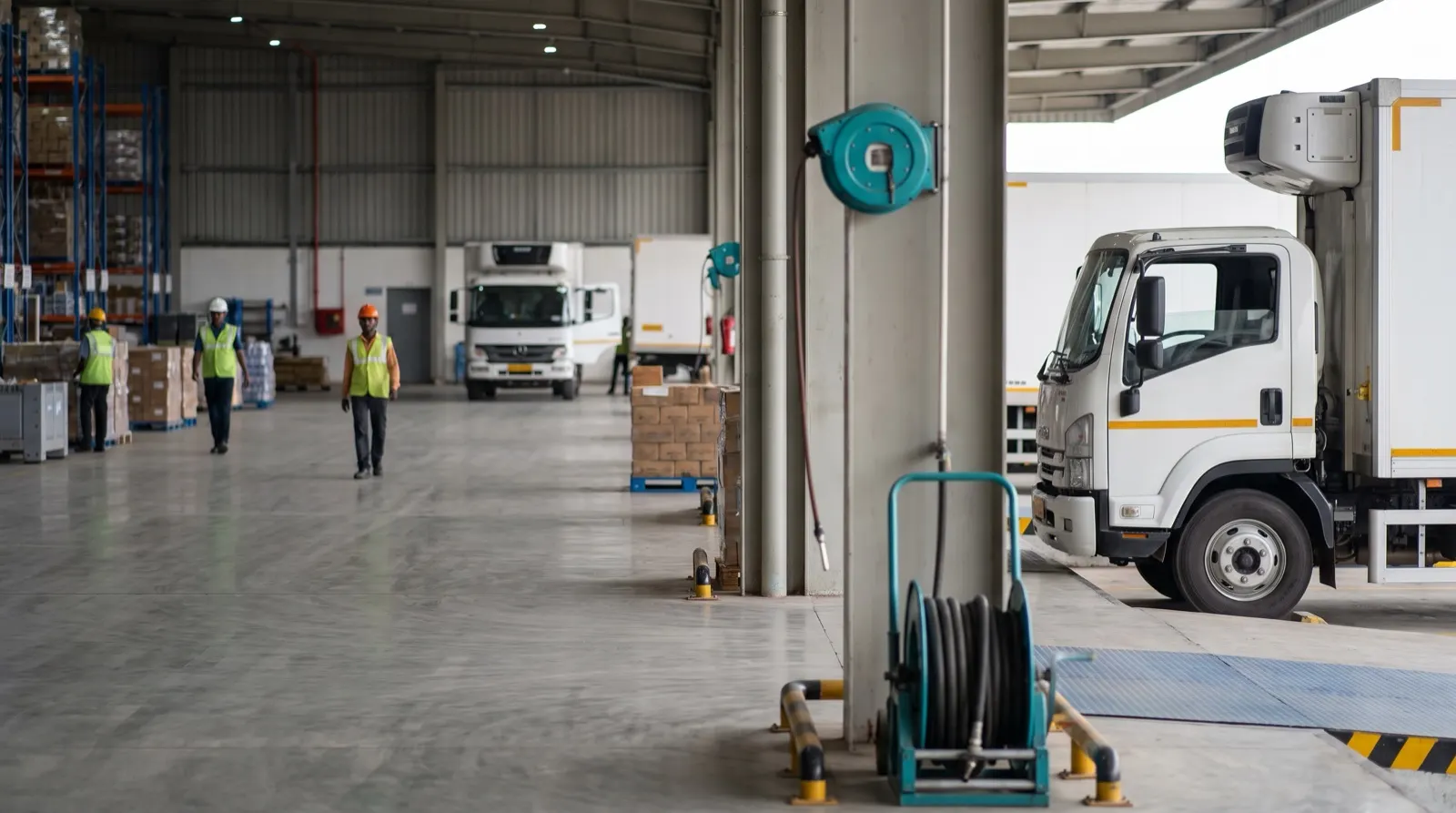
Placement is the time from a carrier accepting an indent to the vehicle reporting at the holding yard. When it is trusted rather than tracked, dispatch plans are built on trucks that are not there.
Each carrier has an acceptance window and a placement clock. In SCM for Manufacturers the carrier must report at the yard within 12 hours of accepting, tracked, not trusted, and the Placement SLA target is 95% or better.
Placement SLA = indents where the vehicle reported within the window ÷ indents accepted × 100. Report it by carrier, plant and lane each week.
In SCM for Manufacturers this runs on the same record as every other step from indent to settlement. Related: carrier scorecard, gate TAT.
The vehicle reporting at the plant or holding yard after the carrier accepts an indent, ready to load.
Agree the window per lane first. SCM for Manufacturers uses 12 hours from acceptance with a target of 95% or better.
See it on your own data. SCM for Manufacturers puts the plant gate, carriers, RDC stock, cold chain and OTIF on one control tower. Book a 30-minute working session with an engineer.