AI agents for transport companies: useful, safe, and never guessing a number.
An AI agent in a transport office should answer “where is my truck” in seconds and draft the next document. It should never invent a freight rate or approve an advance on its own.
“AI agent” has become a label for everything from a chatbot to a fully automatic dispatcher. In a transport company, the useful definition is narrow: software that reads a message, a photo or an event, works out what is being asked, does it against the company’s own records, and asks a person when money or risk is involved. Here is where that works today, and where it should not be trusted.
Seven jobs AI agents already do well in a transport office
Job
What the agent does
What it replaces
Truck and LR status
Answers “HR55 AB 4021 kahan hai?” on WhatsApp from GPS and the trip record
Status calls to the office, all day
POD by photo
Reads the LR number, stamp, signature and date from the driver’s photo and matches it
Paper POD chased for weeks
E-way bill watch
Proposes Part-B when the vehicle changes, extends while goods still move
Expired bills found at a check-post
Approvals
Routes a driver advance or rate deviation to the right approver on WhatsApp
Calls and screenshots to the owner
Alerts
Delay against ETA, GPS offline, route deviation, detention risk, documents expiring
Someone watching a map
Next document
Drafts the trip from the LR, the bill from delivered LRs, the hisab from the trip
Retyping between registers
MIS
A 9 AM digest for management and answers to ad-hoc questions
Excel at month-end
The guardrails that matter more than the model
The risk with AI in operations is not that it is slow; it is that it sounds confident when it is wrong. A transport agent handles freight, advances and customer data, so its design matters more than which language model sits behind it.
Identity first. Recognise who is writing from the phone number, against users, drivers and customer contacts.
The model only classifies. The language model decides what is being asked. The answer, every number and every rate, comes from the database, never from the model.
Access by role. Check what that person may see before any read. Drivers never see rates or margins; customers see their own LRs only.
Typed actions. Writes go through a fixed catalogue of actions with typed parameters, not free text.
Confirm every write. Every instruction is confirmed and logged; above a threshold, a PIN; maker and checker are different people.
Off by default. Automation starts switched off for each company and is turned on rule by rule.
What AI agents should not do yet
Set freight rates or accept a load on their own.
Approve money without a person, above a limit you choose.
Answer from “general knowledge” when the record is missing; the right answer is “not recorded”.
Send anything to customers before the company switches to live.
Language is the real unlock in India
Drivers and branch staff write in Hindi, Marathi, English and Hinglish, often as voice notes. An agent that only understands formal English will not be used. Speech-to-text for voice notes and multilingual intent detection matter more than a clever demo.
How Autowhat builds its transport agent
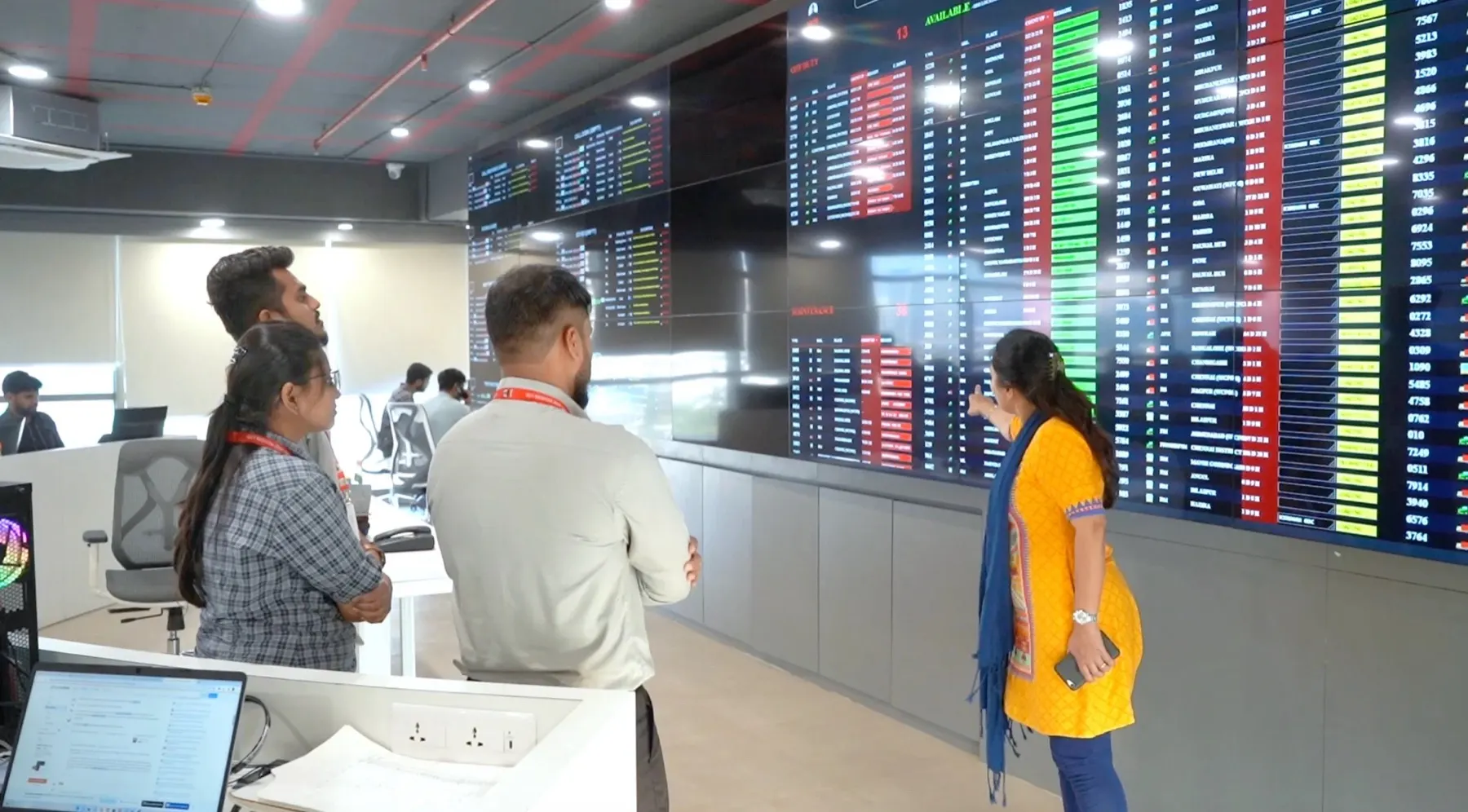
In SCM for Transporter, every WhatsApp message passes five checks: identity, intent, access, action and confirmation. The model only classifies; numbers come from the database. The agent answers truck, LR, e-way bill, POD and outstanding questions; takes instructions such as assigning a vehicle, updating an LR, a breakdown SOS, POD by photo, a driver advance, a detention claim or a Part-B update; and runs 22 alert rules and 24 automated flows that each company switches on when it is ready. The language model is pluggable per company. See also WhatsApp for transport companies and the fleet control room.
Questions
Can an AI agent give wrong freight rates?
Not if it is built so the model only classifies the request and every number is read from the company’s rate master and records. Design for that before choosing a model.
Does an AI agent replace the dispatcher?
No. It removes status calls, retyping and chasing, so the dispatcher spends time on exceptions and customers.
Which language model should a transport company use?
The model matters less than the guardrails. A system that lets you switch models per company, and never lets the model invent numbers, is safer than any single model.