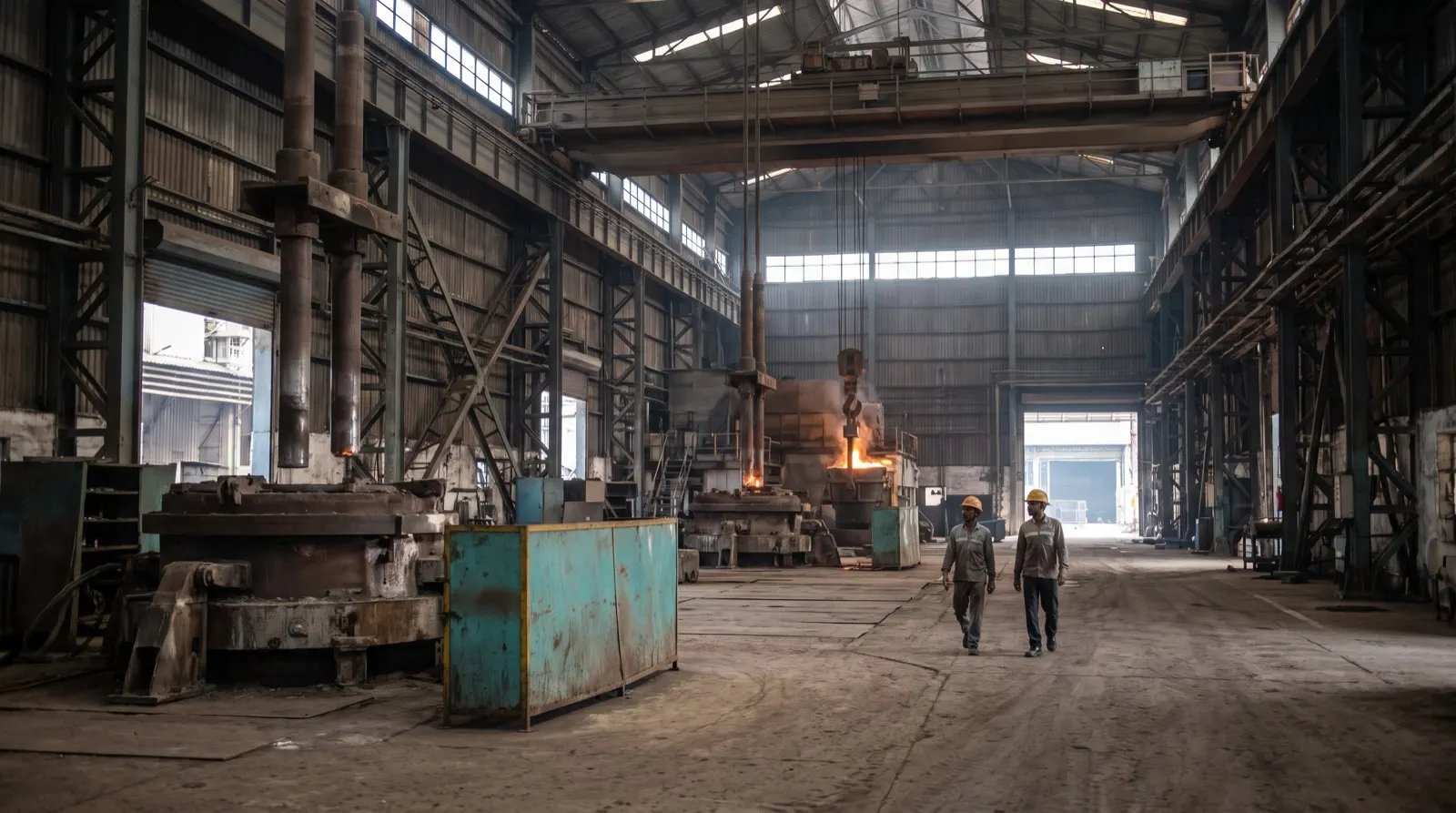
Mass and energy balance for a smelting furnace: the foundation of any furnace model.
Every tonne that goes into a furnace comes out as metal, slag, gas or dust. Every kWh goes into reactions, heating or losses. Closing both balances is how you find where the energy goes.
A mass balance traces every input (ore, reductant, flux, electrode paste) to its outputs (metal, slag, off-gas and dust), element by element. If it does not close, a measurement is wrong or a loss is unrecorded.
Inputs
Outputs
Ore and concentrates
Metal or alloy tapped
Reductants (coke, coal, char)
Slag
Fluxes
Off-gas
Electrode consumption
Dust and fines
The energy balance
An energy balance sets electrical input against where the energy goes: the heat needed for the reduction reactions, heating and melting metal and slag to tapping temperature, and losses through off-gas, cooling and the shell.
How to build one for your furnace
Collect per-heat data: charge weights, assays of each input, tap weights, metal and slag analyses, power.
Close the mass balance for the main elements and check the error.
Compute the theoretical energy for reactions and heating from the closed mass balance.
Compare with metered electrical energy; the difference is losses plus measurement error.
Repeat over many heats and calibrate the model so its estimates match the furnace you actually run.
Pitfalls
Assays sampled too rarely to represent the heat.
Tap weights estimated rather than weighed.
A one-off study that goes stale as ore and practice change.
How Furnace Twin does it
Furnace Twin is a physics model of your furnace (mass and energy balance, slag chemistry, reduction kinetics, an electrical model and furnace zones) calibrated on your heat history and re-calibrated as new heats arrive. It estimates energy, grade and recovery every heat and flags drift with its likely cause, such as basicity, reductant or electrodes. A scenario engine compares reductant, basicity, temperature and feed changes side by side so only the best goes to a short trial on the real furnace. Anyone on shift can ask questions in plain language and get answers that cite records, model runs and literature, and shift handover can be captured by voice in Hindi or English. Every model version is evaluated and logged. Delivery runs baseline, calibrate, then operate, starting with one furnace.
Questions
What is a mass balance for a furnace?
An accounting of every input (ore, reductant, flux, electrode) against every output (metal, slag, gas, dust), element by element, that should close within measurement error.
What is an energy balance for a furnace?
Electrical input set against the energy needed for reactions, heating metal and slag, and losses through gas, cooling and the shell.
Why calibrate a furnace model on plant data?
So its estimates match the specific furnace, ore and practice, instead of a textbook furnace.