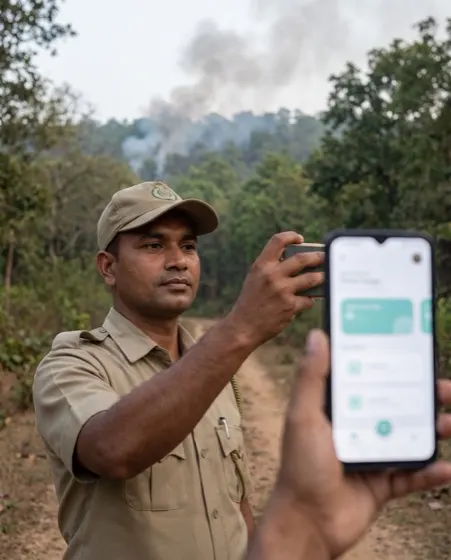
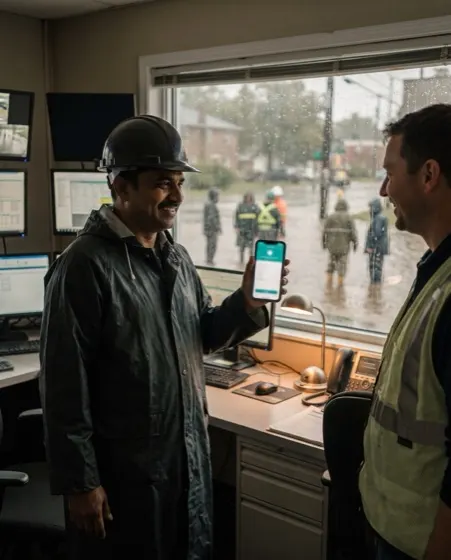
01Weekly reports
Clusters flagged against baseline, every day.
- Cases by block compared with the baseline for the season
- Each cluster arrives with an action and an owner
Seen in days, not weeks

OperationsHealthWatch · public-health command centre
For health secretaries, mission directors and district health officers. Surveillance, hospital capacity, helpline cases, ambulances and stock on one verified picture — so outbreaks are seen in days, not weeks, and no patient is sent to a full ICU.
WhySound familiar?
From health secretaries, mission directors and district health officers. Composite quotes from discovery calls — the problems are real; the names are left out.

“We see the outbreak in the weekly report.”
Cases, lab results and helpline calls are in different systems, so a cluster is visible only after it has grown.
Mission directorOutbreaks seen a week late
“The ICU was full before anyone told us.”
Capacity is reported by phone, so ambulances arrive at hospitals that cannot admit.
District health officerPatients sent to full ICUs
“Every district has a different number.”
Reconciling systems by phone takes the hours that decisions need.
Health secretaryDecisions waiting on data
HowWhat changes with HealthWatch
Product screens with illustrative data. In a briefing we replay one of your peak weeks.
01Weekly reports
Seen in days, not weeks
02Full ICUs
Every patient to a bed that is free

03Numbers by phone
One verified picture

FieldHealthWatch in the field
The workplace it runs in, the person who uses it on a phone, the team at the desk and the detail it reads.
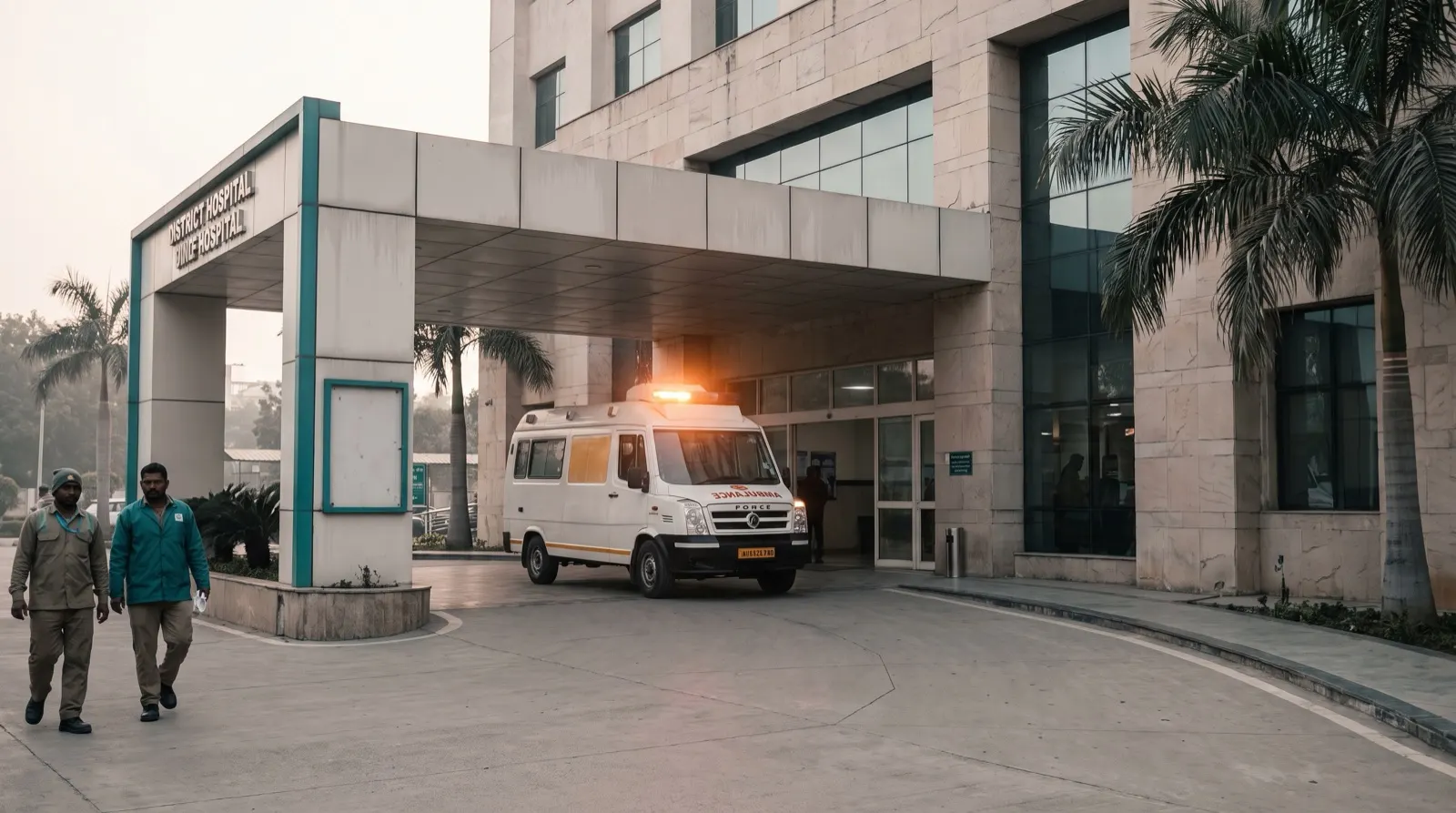
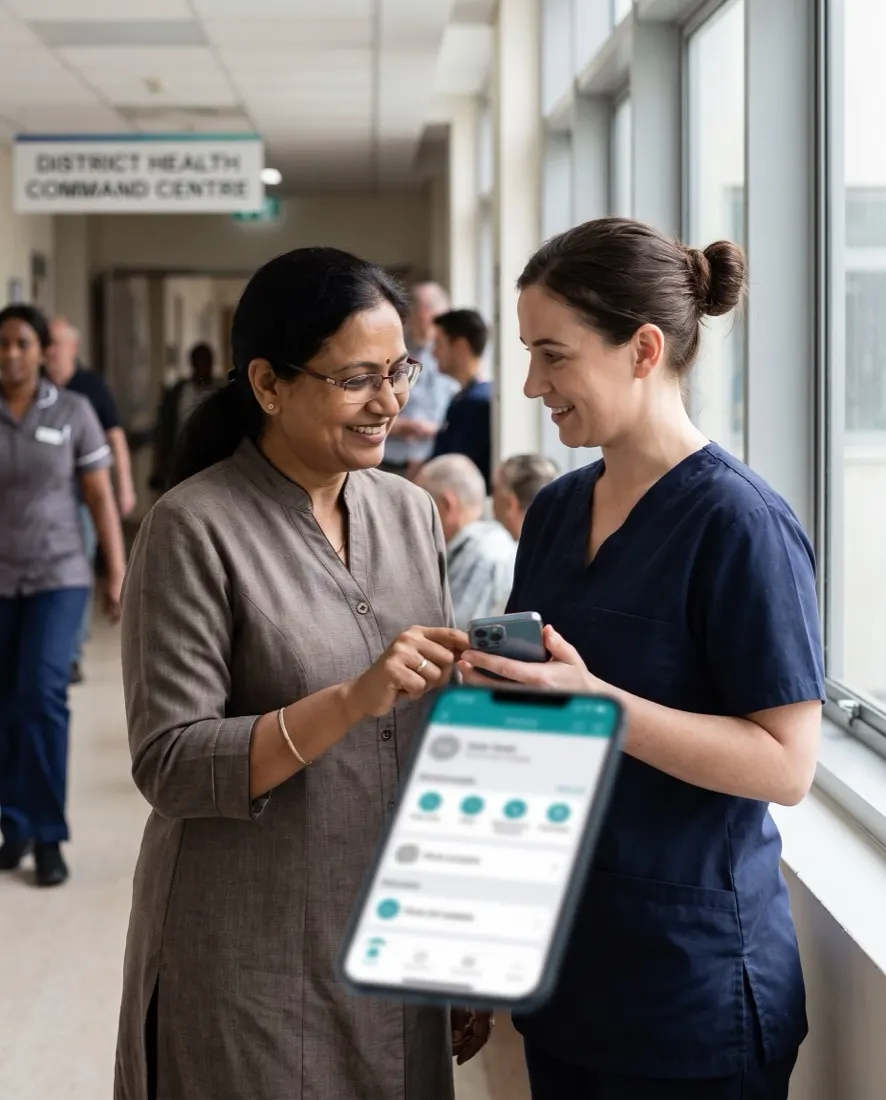
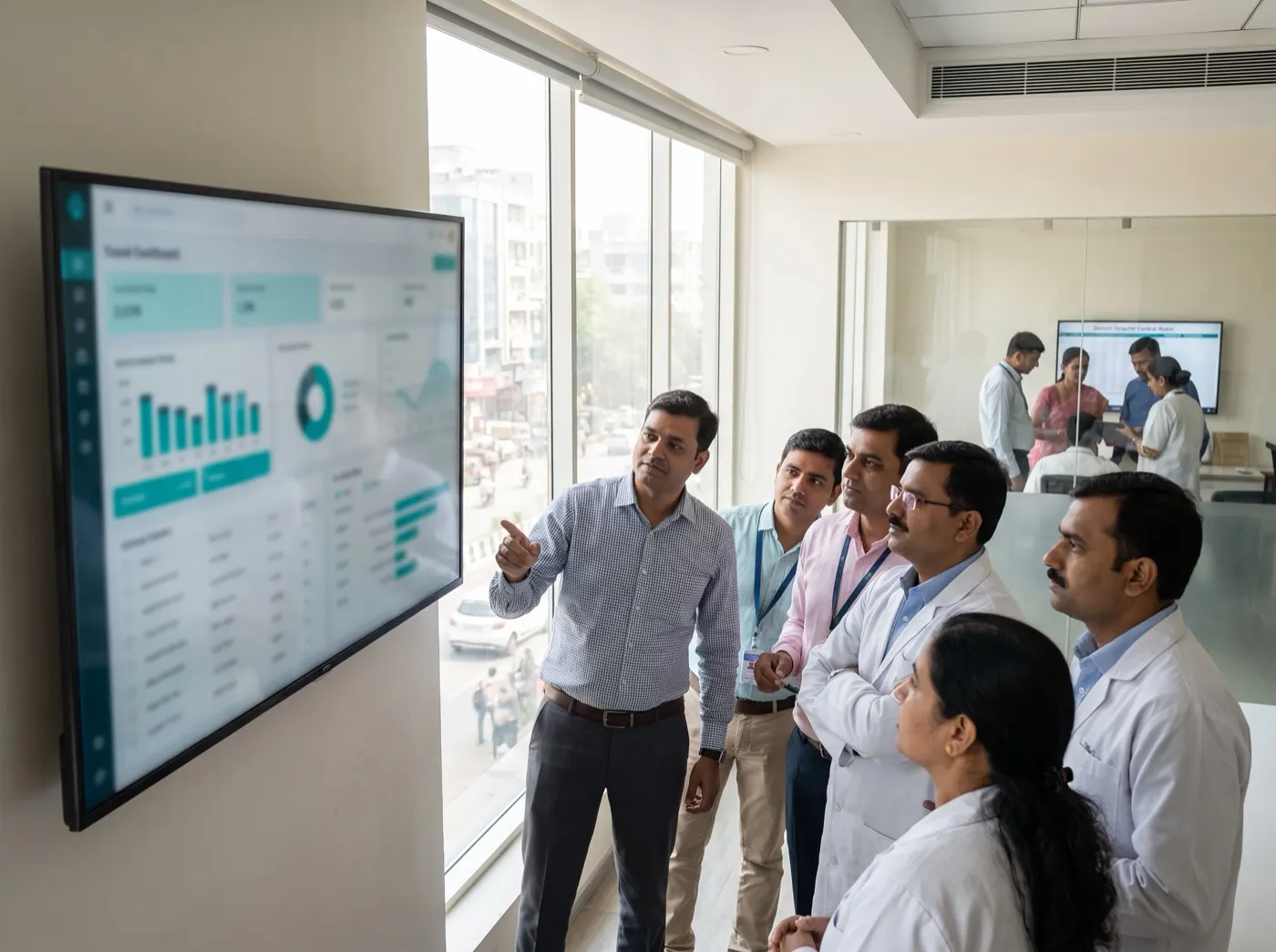
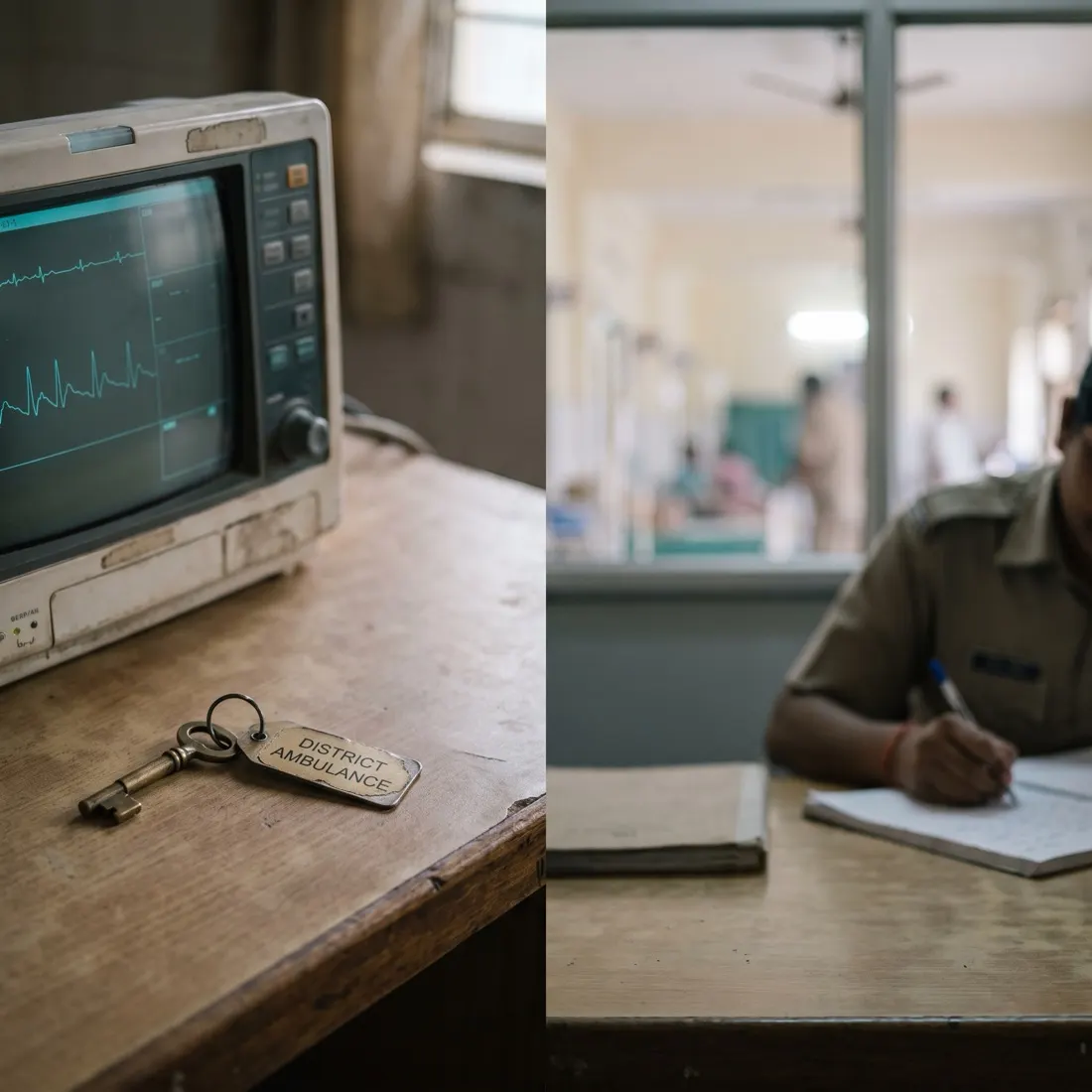
Photographs are illustrative — real customer sites are not shown.
36 districts and 2.4× are illustrative of a typical state rollout; under 5 minutes to an owner is a design target. Not results from a live deployment.
01The screens
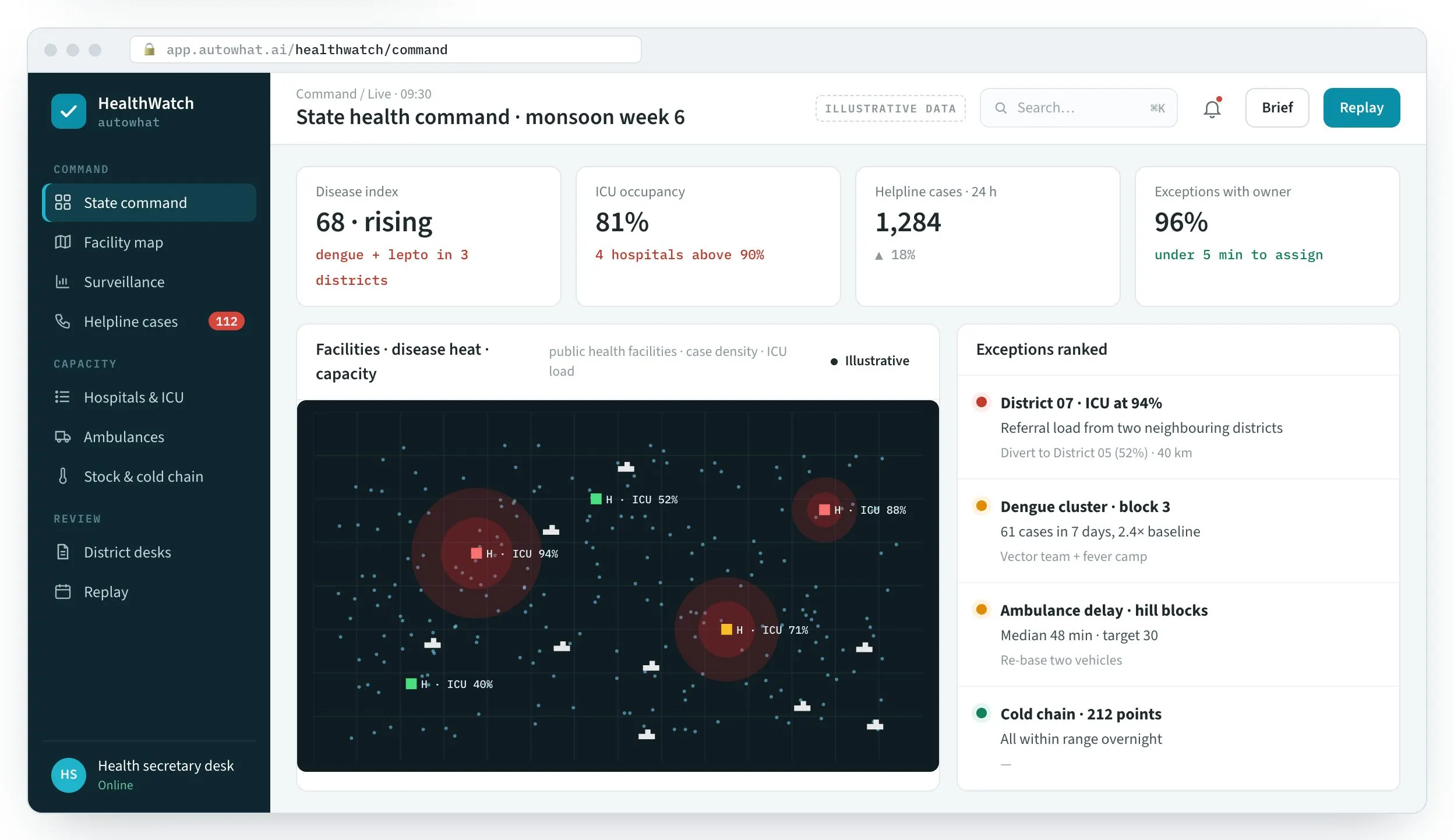
State command, hospital capacity, surveillance and the district brief.
Disease index, ICU load, helpline volume and the exceptions that need a decision.
Product screens with illustrative data — every name, place and figure is a placeholder.
02Before and after
Surveillance, hospital, helpline and ambulance systems already exist — reconciled by phone, after the fact.
| Area | Today | With HealthWatch |
|---|---|---|
| Outbreaks | Seen in weekly reports | Clusters flagged against baseline daily |
| ICU | Full before anyone knows | Diversion suggested hours ahead |
| Helpline & ambulance | Separate dashboards | On the same exception queue |
| Districts | Calls and spreadsheets | A morning brief with one-tap decisions |
| Review | Memory and minutes | Every exception with owner, time and closure |
03One verified picture
Every number keeps its source and timestamp, so the command centre never hides stale or estimated data.
Surveillance · HMIS
Cases, lab results and facility reports pulled per district.
Hospitals
ICU, oxygen and ventilator availability refreshed every 15 minutes.
Helpline · ambulance
Helpline cases and ambulance response joined to the same districts.
Clusters
Cases compared with baseline by block; clusters raised with evidence.
Exceptions
Capacity, clusters and delays ranked by risk to life.
Owners
Each exception assigned to a district or hospital owner in minutes.
Districts
A morning brief on WhatsApp with decisions that close in one tap.
Replay
Every exception with owner, time and closure for the weekly review.
04The platform
Monsoon season first; heat waves, vaccination drives and mass gatherings run on the same centre.
05How we deliver
Built on the health systems the state already runs.
MoreRelated Operations products
OverviewHealthWatch · public health command centre
A public health command centre brings disease surveillance, hospital capacity, helpline calls, ambulances and stock onto one picture so a state or district can act on exceptions the same day. The same idea goes by other names: a health command and control centre, a state Health Emergency Operations Centre (HEOC) or, in WHO usage, a public health emergency operations centre (PHEOC). In India these systems usually exist but report separately and are reconciled by phone, so an outbreak shows up in the weekly report, ICUs fill before anyone is told, and every district has a different number.
Autowhat HealthWatch is the public health command centre software from Autowhat in Mumbai, built for health secretaries, mission directors and district health officers. Unlike a hospital command centre, which runs beds and patient flow inside one building, it works across every facility in a state or district. It pulls surveillance and HMIS data, compares cases by block with the seasonal baseline and raises clusters daily with an action and an owner. ICU, oxygen and ventilator availability refresh every 15 minutes, and a diversion plan notifies ambulance dispatch before beds run out. Each district gets a morning WhatsApp brief with decisions that close in one tap, and every number keeps its source and timestamp.
Surveillance, HMIS and lab results are read per block; a seasonal baseline is set for each block from past years; when cases rise above it, a cluster is raised that day with its evidence, a suggested action and an owner.
ICU, oxygen and ventilator availability is refreshed every 15 minutes from hospital systems onto one facility map, and each figure shows its source and how old it is, so a stale report is never read as a free bed.
A diversion plan is suggested ahead of time and notifies ambulance dispatch in one click, so patients go to a bed that is free.
Each district gets its own numbers and exceptions every morning on WhatsApp, and approvals are logged with time and owner.
Helpline cases, ambulance response and stock and cold chain are joined to the same districts and ranked by risk to life; each exception reaches an owner in under five minutes.
Every number keeps its source and timestamp, so stale or estimated data is never hidden, and every exception is kept with owner, time and closure for review.
| Manual / spreadsheets | Generic software | HealthWatch | |
|---|---|---|---|
| Outbreaks | Seen in weekly reports | Charts of case counts | Clusters flagged against baseline by block, daily |
| ICU capacity | Reported by phone | Dashboard updated when someone enters data | ICU, oxygen and ventilators refreshed every 15 minutes |
| Helpline and ambulance | Separate registers | Separate dashboards | On the same exception queue |
| Districts | Calls and spreadsheets | One login per system | Morning WhatsApp brief with one-tap decisions |
| Review | Memory and minutes | Static reports | Every exception with owner, time and closure |
LearnHealthWatch guides and tools
9 pages on the problems HealthWatch solves. See them all on one page →
FAQQuestions we get about HealthWatch
HealthWatch is a public-health command centre. Short, factual answers for buyers, procurement and the assistants people ask first.
In short. HealthWatch is a public-health command centre. It is built for health secretaries, mission directors and district health officers. It exists to remove the problems those teams describe in almost every first conversation: outbreaks seen in the weekly report; patients sent to ICUs that are already full; and district numbers reconciled by phone. With HealthWatch, teams get clusters flagged against baseline by block, daily, capacity every 15 minutes and a diversion plan before beds run out, and a morning WhatsApp brief per district with one-tap decisions. It connects to Surveillance & HMIS, Hospital systems, Helpline & ambulance and Cold chain, is used by State · districts · hospitals, and runs on web + whatsapp. Like every Autowhat AI product, HealthWatch goes live on one site, lane or process first, usually within weeks, on managed cloud, in your own VPC or on-premises, and shares one operational record with the other products, so the second deployment reuses the data and integrations of the first.
It is one place where surveillance, hospital capacity, helpline, ambulance and stock data come together so exceptions reach an owner quickly. HealthWatch runs it as a ranked exception queue with district briefs on WhatsApp.
Mostly, yes: the terms overlap. WHO describes a public health emergency operations centre (PHEOC) as a place that coordinates information and resources in an emergency, also called a command centre or situation room. A public health command centre applies the same discipline every day, not only in emergencies: surveillance, capacity, helpline and stock, each exception with an owner.
A hospital command centre manages beds, admissions and patient flow inside one hospital or group. A public health command centre works across a state or district: disease clusters by block, ICU, oxygen and ventilator capacity across facilities refreshed every 15 minutes, helpline and ambulance on one exception queue, and diversion plans sent to ambulance dispatch.
Cases by block are compared with the baseline for the season every day. When a block rises above it, a cluster is raised with its evidence, a suggested action and an owner.
A weekly report shows an outbreak after it has grown. Daily exception surveillance flags clusters against baseline each day and assigns them, so they are seen in days rather than weeks.
ICU, oxygen and ventilator availability is refreshed every 15 minutes from hospital systems. When capacity is running out, a diversion plan is suggested and can notify ambulance dispatch in one click.
No. It connects to surveillance and HMIS, hospital systems, helpline and ambulance, and cold chain, and keeps each number's source and timestamp. Pilot districts are connected in weeks 1 to 4, and every district by months 3 to 4.
It is priced per deployment after a 30-minute working session on your own data; there is no public list price. The first wave is scoped in that call.
It sets the daily rhythm before cases rise. Before the season, the team replays last year's peak week, sets block baselines and names owners. During it, clusters, ICU capacity, helpline volume and stock are reviewed daily and each district gets a morning brief. After it, every exception is replayed and baselines are updated.
No. Autowhat HealthWatch is public health command centre software made by Autowhat, a company based in Mumbai, India. It is not connected to any similarly named patient-feedback or advocacy body. It is used by state and district health teams to track surveillance, ICU capacity, helpline and ambulances on one screen.
Outbreaks seen in the weekly report; patients sent to ICUs that are already full; district numbers reconciled by phone.
Clusters flagged against baseline by block, daily; capacity every 15 minutes and a diversion plan before beds run out; a morning WhatsApp brief per district with one-tap decisions.
It connects to Surveillance & HMIS, Hospital systems, Helpline & ambulance, Cold chain. Users: State · districts · hospitals. Channel: Web + WhatsApp.
With a 30-minute working session on your own data — an engineer from the relevant sector, not a sales queue. The first wave is scoped in that call; most products go live on one site, lane or process within weeks and then scale.
On managed cloud, in your own VPC (AWS, Azure or GCP) or on-premises, with your keys. SOC 2 Type II and ISO 27001 controls, India data residency when required, and local or open-weight models when policy demands it. The data stays yours.
06Briefing
A working session: your districts mapped, a past peak replayed, and the decisions it would have surfaced.