01Status calls
Registered on WhatsApp, updated at every step.
- Photos and documents read in the chat
- Garage, hospital and surveyor booked; every step pushed
Customers stop calling to ask

CommercialAutoClaims · claims intake & renewals for insurers
AutoClaims by Autowhat AI is insurance claims management software for general and health insurers and their TPAs. Claims registered on WhatsApp, documents read on arrival, triaged by your rules, suspicious ones flagged for investigation — and every customer kept informed, so nobody calls to ask. Renewals worked by segment so fewer policies lapse.
WhySound familiar?
From claims heads, TPAs and retention teams at insurers. Composite quotes from discovery calls — the problems are real; the names are left out.

“Half our call-centre volume is ‘where is my claim?’”
Customers are not told what happens next, so they call — and every call is cost.
Claims headStatus calls and TAT
“We find the bad claims after we have paid them.”
Triage is by queue, not by rule, so suspicious patterns slip through.
Investigation leadLeakage
“Renewals get one email and a last-minute call.”
Policies lapse that would have renewed with the right reminder at the right time.
Retention headLapsed policies
HowWhat changes with AutoClaims
Product screens with illustrative data. In a working session we map one of your claim journeys.
01Status calls
Customers stop calling to ask
02Leakage after payout
Bad claims caught before payment

03Last-minute renewals
Fewer lapses

FieldAutoClaims in the field
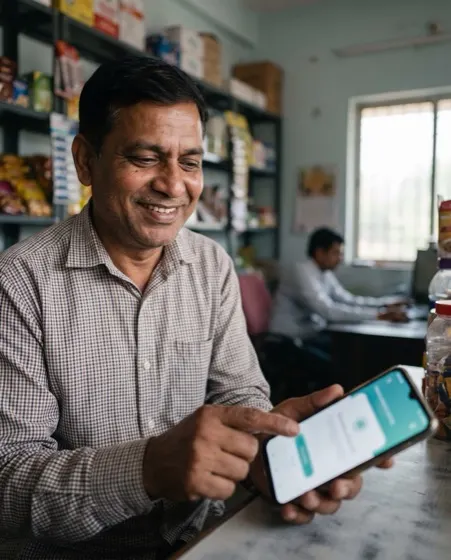
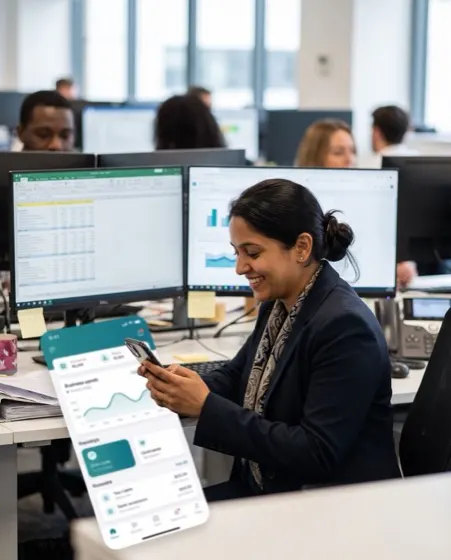
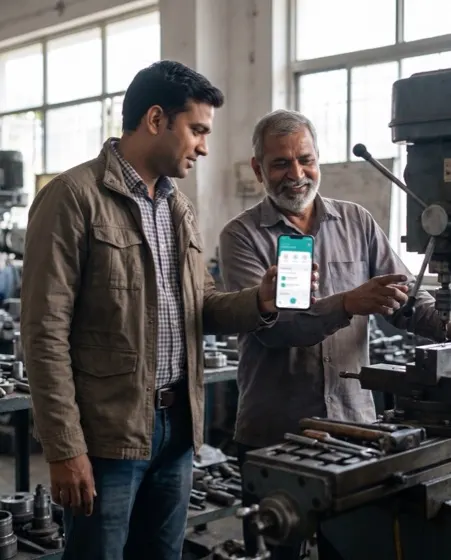
The workplace it runs in, the person who uses it on a phone, the team at the desk and the detail it reads.

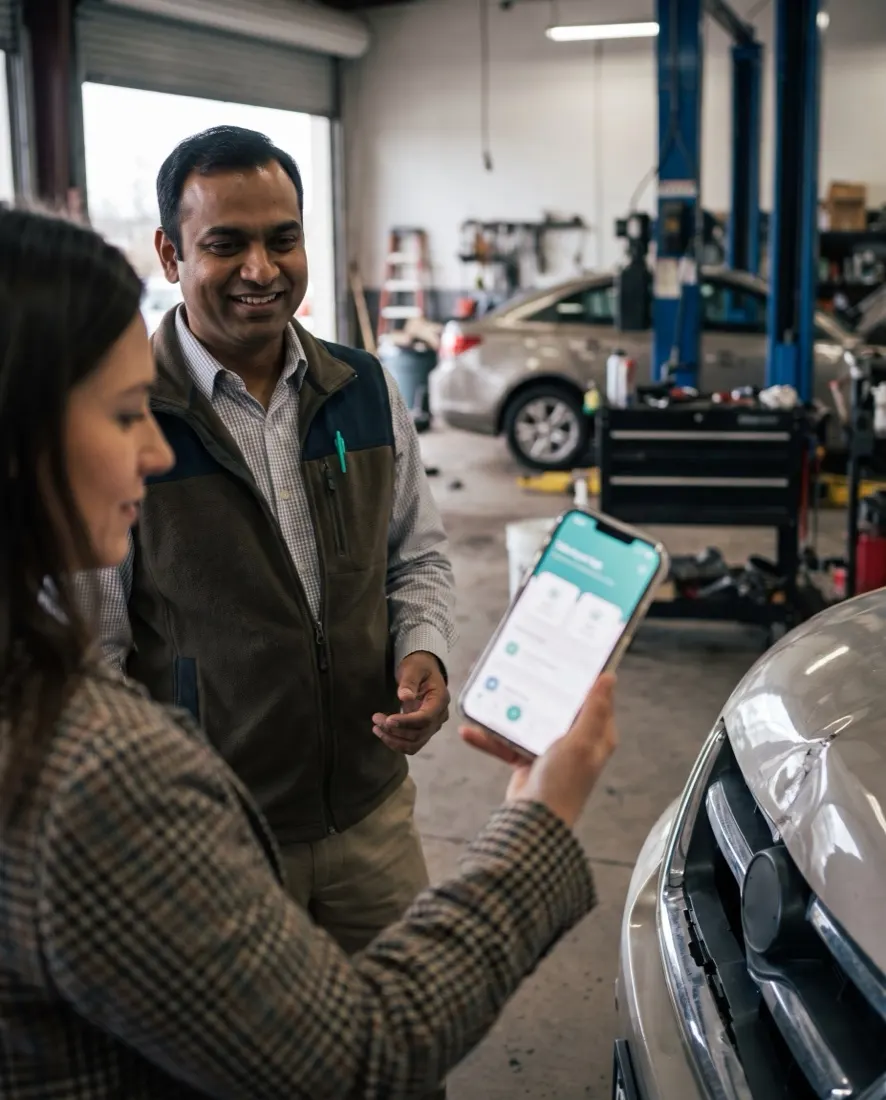

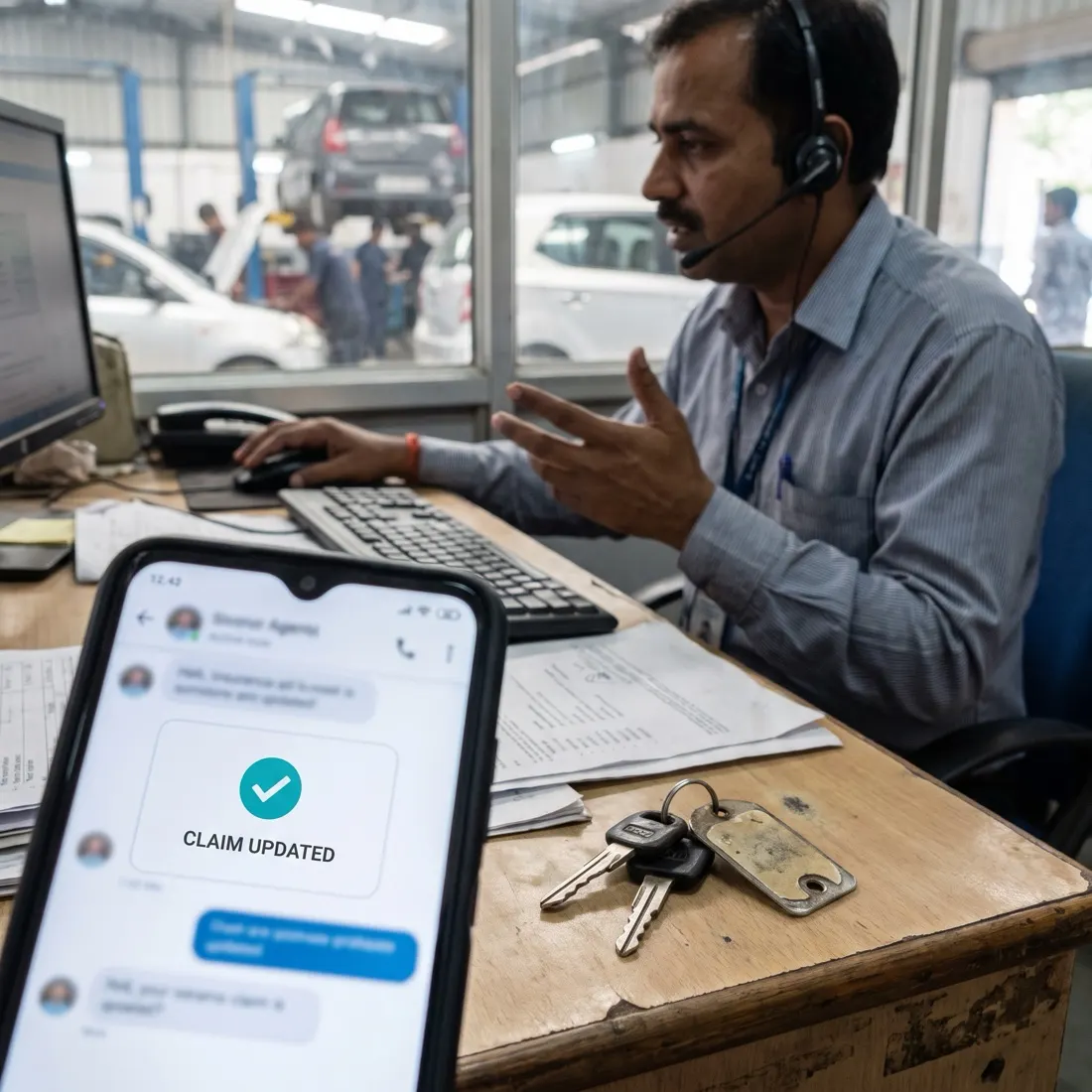
Photographs are illustrative — real customer sites are not shown.
01The screens
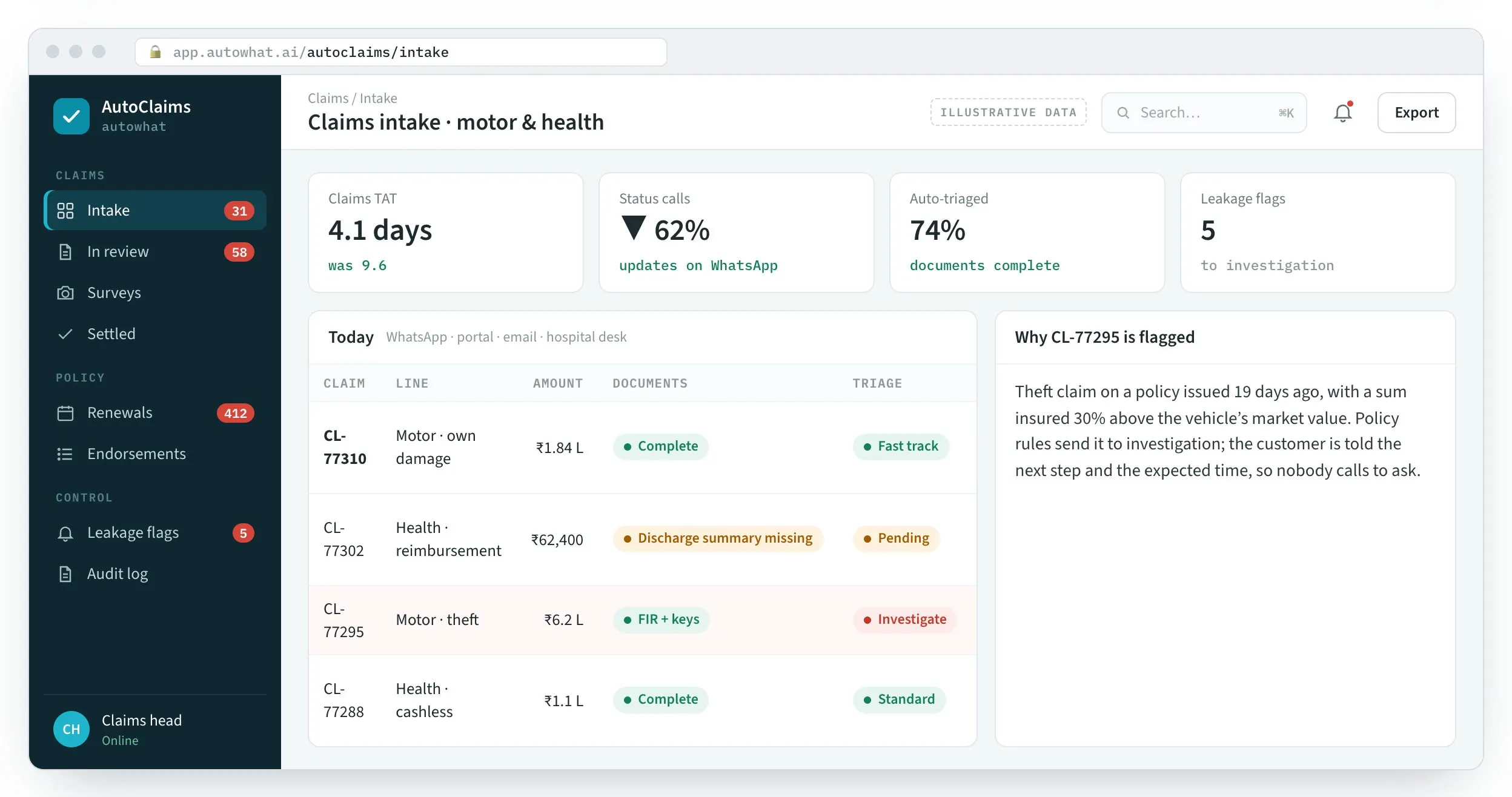
Intake and triage, the customer’s WhatsApp and the renewals queue.
Claims triaged by your rules — fast track, standard or investigate — with the reason.
Product screens with illustrative data — every name, place and figure is a placeholder.
02Before and after
Customers call to register, call to ask, call to chase. Every call is cost; every re-key is a chance of leakage.
| Area | Today | With AutoClaims |
|---|---|---|
| Registration | Call centre and forms | WhatsApp, documents read on arrival |
| Triage | By hand, by queue | Your rules: fast track, standard, investigate |
| Leakage | Found after payout | Flagged before, with the reason |
| Status | Customers call to ask | Pushed at every step |
| Renewals | Email and a last-minute call | Worked by segment, early |
03Register, triage, inform
Your rules decide; adjusters and investigators keep every judgement that needs a person.
WhatsApp · portal
First notice of loss where the customer already is.
Documents
Photos, bills, discharge summaries and FIRs structured on arrival.
Policy
Cover, waiting periods and limits checked against the policy.
Your rules
Fast track, standard or investigate — with the reason.
Network
Garages, hospitals and surveyors booked.
Status
Every step pushed to the customer.
Maker-checker
Payout approved by people, written through your APIs.
Retention
Renewals by segment, with the right nudge, before the lapse.
04The platform
Start with one line of business; others reuse the same spine.
05How we deliver
On the policy and claims systems you already run.
MoreRelated Commercial products
EvaluateBuyer’s checklist
Insurance claims management software should be judged on six things: where customers can report a claim, how triage is decided, how leakage is controlled, how it fits your existing systems, how customers are kept informed and where it runs. Ask each vendor to show these on one of your own claim journeys, not on a demo script.
| Criterion | What to ask | AutoClaims |
|---|---|---|
| Intake channels | Can customers report a loss and send documents where they already are? | FNOL on WhatsApp or the portal; photos, bills, discharge summaries and FIRs read on arrival |
| Rules-based triage | Are routing rules yours, applied the same way every time, with the reason shown? | Fast track, standard or investigate by your rules, with the reason recorded |
| Leakage controls | Are cover and limits checked, and suspicious claims flagged before payout? | Cover, waiting periods and limits checked; suspicious claims to an investigation queue; payouts under maker-checker |
| Integration | Does it work on your policy admin and claims systems, or replace them? | Connects to your policy admin and claims systems and writes payouts through the APIs you open |
| Customer updates | Is the customer told each step without calling? | Every step pushed on WhatsApp |
| Deployment and data | Can it run in your cloud or on-premises, with data kept in India? | Managed cloud, your own VPC or on-premises; India data residency when required |
Use casesClaims processing software for insurers and TPAs in India
Claims triage software decides, for every new claim, which path it takes and why. In AutoClaims each claim is first checked against the policy for cover, waiting periods and limits, then routed by your own rules to fast track, standard or investigate, decided the same way every time and recorded with the reason. Suspicious claims go to an investigation queue before any money moves, adjusters and investigators keep every judgement that needs a person, and payouts are approved by people under maker-checker. For health claims, cashless or reimbursement is captured at first notice; for motor, garages and surveyors are booked from the claim. What the rules usually check is laid out in what claims triage is and how its rules work, and the people involved in TPA full form and role and what an insurance surveyor does.
FNOL on WhatsApp lets a customer report a loss in the chat they already use, or on the portal, instead of calling a contact centre and filling a form. AutoClaims reads the photos, bills, discharge summaries and FIRs sent in the chat as they arrive and turns them into a structured claim, then checks cover and triages it. Every later step, from documents and approval to settlement, is pushed back to the same chat, so fewer customers call to ask where their claim is. What first notice of loss means, and what it must capture, is explained in what FNOL in insurance is; how to keep customers informed after it, in insurance claim status updates. The difference between the two health claim routes is in cashless vs reimbursement, and portfolio figures can be checked with the claim settlement ratio calculator.
OverviewAutoClaims · insurance claims management software
Insurance claims management software, also called claims processing software, runs a claim from the first notice of loss to settlement: registering it, collecting documents, checking cover, deciding the route and keeping the customer informed. At many Indian general and health insurers and TPAs, claims are still registered by phone and forms, triaged by queue rather than rule, and customers call repeatedly to ask where their claim is, while suspicious claims are sometimes found only after payout.
AutoClaims registers claims on WhatsApp or the portal and reads photos, bills, discharge summaries and FIRs on arrival. Cover, waiting periods and limits are checked against the policy, and each claim is triaged by your rules as fast track, standard or investigate, with the reason. Garages, hospitals and surveyors are booked, every step is pushed to the customer, and payouts are approved by people under maker-checker. Renewals are worked by segment before the lapse.
Customers report a loss where they already are; photos and documents are read in the chat and structured on arrival.
Each claim is routed fast track, standard or investigate, decided the same way every time and shown with the reason.
Your investigation rules flag suspicious claims into an investigation queue, and payouts are approved by people under maker-checker.
Customers get each step on WhatsApp, so fewer of them call the contact centre to ask where their claim is.
For health claims, cashless or reimbursement is captured at first notice and hospital bills and discharge summaries are read on arrival. For motor, photos and FIRs are read, and garages and surveyors are booked from the claim.
Renewals are worked early with the right nudge per segment, such as NCB, revised premium or top-up cover, with payment links on WhatsApp.
| Manual / spreadsheets | Generic software | AutoClaims | |
|---|---|---|---|
| Registration | Call centre and paper forms | Web form the customer must find | WhatsApp or portal, documents read on arrival |
| Triage | By hand, by queue | Fixed workflow | Your rules: fast track, standard, investigate, with the reason |
| Leakage | Found after payout | Separate fraud tool | Flagged before payout; payouts under maker-checker |
| Customer status | Customers call to ask | Email updates | Every step pushed on WhatsApp |
| Renewals | One email and a late call | Bulk reminders | Worked early by segment with payment links |
LearnAutoClaims guides and tools
9 pages on the problems AutoClaims solves. See them all on one page →
FAQQuestions we get about AutoClaims
AutoClaims is an Autowhat AI product for claims heads, TPAs and retention teams at insurers. Short, factual answers for buyers, procurement and the assistants people ask first.
In short. AutoClaims is an Autowhat AI product for claims heads, TPAs and retention teams at insurers. It is built for claims heads, TPAs and retention teams at insurers. It exists to remove the problems those teams describe in almost every first conversation: call-centre volume driven by “where is my claim?”; leakage found after payout; and renewals left to one email and a late call. With AutoClaims, teams get FNOL on WhatsApp; garage, hospital and surveyor booked, triage by rule — fast track, standard, investigate — with the reason, and renewal queue by segment with the right nudge. It connects to Policy admin, Claims system, WhatsApp and Network garages & hospitals, is used by Claims · investigators · retention, and runs on whatsapp + web. Like every Autowhat AI product, AutoClaims goes live on one site, lane or process first, usually within weeks, on managed cloud, in your own VPC or on-premises, and shares one operational record with the other products, so the second deployment reuses the data and integrations of the first.
AutoClaims by Autowhat AI is insurance claims management software for general and health insurers and their TPAs in India. Claims are registered on WhatsApp or a portal, documents are read on arrival, each claim is triaged by the insurer's own rules with the reason recorded, and the customer is told every step without calling.
It is software that handles a claim from first notice of loss to settlement: intake, documents, cover checks, triage, network assignment and customer updates. AutoClaims does this for general and health insurers and TPAs, on WhatsApp and the web.
Look for software that takes the first notice of loss in the WhatsApp chat itself and reads the photos and bills sent there. AutoClaims does this for insurers and TPAs, then checks cover, triages the claim and pushes each step back to the chat. If you only need a WhatsApp channel on an existing claims system, a messaging integration may be enough.
Use claims triage software whose rules you set, that records why each claim took its path and that stops suspicious claims before payout. AutoClaims checks cover, waiting periods and limits, routes claims to fast track, standard or investigate and keeps payouts under maker-checker. It does not replace your core claims system or your investigators.
Send the customer a message at every step, from registration and documents to approval and settlement, with any delay and its reason, so there is nothing left to call about. AutoClaims pushes each step on WhatsApp from the claim record. Calls about disputes and complex claims still need people.
With AutoClaims it runs in eight steps: notice of loss on WhatsApp or the portal, documents read on arrival, cover, waiting periods and limits checked against the policy, triage by your rules, garages, hospitals or surveyors booked, every step pushed to the customer, payout under maker-checker, and the renewal worked before the lapse.
The customer reports the loss, the first notice of loss, in a WhatsApp chat or on the portal and sends photos, bills, discharge summaries or the FIR there. AutoClaims reads them on arrival, checks cover and limits against the policy and triages the claim, then sends every next step back to the same chat.
Each claim is checked against the policy and routed by your rules to fast track, standard or investigate, with the reason recorded. Adjusters and investigators keep every judgement that needs a person.
The customer reports the loss on WhatsApp and sends photos and the FIR, which AutoClaims reads on arrival. Cover and limits are checked against the policy, the claim is triaged fast track, standard or investigate with the reason, a garage and surveyor are booked, and every step is pushed to the customer until payout under maker-checker.
Claims leakage is the gap between what a claim should have cost and what the insurer actually paid. It comes from paying for losses the policy does not cover, missed fraud, duplicate bills and limits not applied. AutoClaims checks cover, waiting periods and limits against the policy and flags suspicious claims for investigation before payout.
Manual triage by queue tends to find bad claims after payment. Rules-based triage in AutoClaims flags suspicious patterns before payout, and payouts are approved by people under maker-checker.
Yes. AutoClaims connects to your policy admin and claims systems, WhatsApp and network garages and hospitals, and writes payouts through the APIs you open.
There is no public list price. AutoClaims is priced per deployment after a 30-minute working session on your own data, where the first line of business and scope are agreed.
On managed cloud, in your own VPC (AWS, Azure or GCP) or on-premises, with your keys. SOC 2 Type II and ISO 27001 controls, India data residency when required, and local or open-weight models when policy demands it. The data stays yours.
06Working session
Thirty minutes: your claim journey mapped, the steps that wait named, and a first scope.