GuideFor plant buyers in India
Digital twin companies in India
How to choose a plant twin vendor.
A neutral guide for plant heads, operations heads and IT teams in Indian industry: the four kinds of digital twin company, which kind suits which plant, and the questions to ask before you start.
- 4 vendor types compared
- 8 questions to ask any vendor
- 11 sample twins to open in 3D
Who are the digital twin companies in India?
Digital twin companies in India fall into four groups: global PLM and simulation suites, IT services integrators, IIoT and asset-twin platforms, and operational plant-twin vendors such as Autowhat. Choose by your starting point: a design to simulate, a programme to integrate, connected machines, or a running plant whose records already exist.
New to the idea? Start with what a twin is on our digital twin software for plants page, or jump to vendor types, the buyer checklist and a live 3D twin.
01Vendor types
What kinds of digital twin companies are there in India?
Four kinds of company sell digital twins to Indian plants. They differ less in the picture they show than in where they start and who keeps the model running.
| Type | Good for | Typical starting point | What to check |
|---|---|---|---|
| Global PLM and simulation suites | Designing products, lines and plants, and testing a layout or flow change before it is built. | CAD and engineering models, and a simulation model built by your engineers. | Who keeps the model current once the plant changes, and whether it stays an offline study or follows the running plant. |
| IT services integrators | Large programmes that join many enterprise systems, or a custom twin built on a cloud platform. | A requirements and integration project, scoped with your IT team. | Who owns the result, how much custom code you will maintain, and whether a working example exists for your industry. |
| IIoT and asset-twin platforms | Connected machines, remote monitoring and maintenance apps, and teams that want to build their own twin. | Connected equipment or gateways, and a development team. | How much has to be built in-house, and what the twin shows for areas where machines are not connected. |
| Operational plant-twin vendors | A running plant that wants one live model of stock, machines, trucks and alerts, from intake to dispatch. | The records the plant already keeps: ERP or Tally, weighbridge, gate passes, PLC counters and lab registers. | Whether every number traces back to its source, how alerts reach people on the shift, and whether you can open a sample twin first. |
Global PLM and simulation suites come from companies such as Siemens, Dassault Systèmes and Ansys. They are strongest before a plant is built or changed: an engineer builds a model, sets the assumptions and tests a layout or a flow offline. Siemens Tecnomatix Plant Simulation, for example, models production systems and logistics processes to optimise material flow in plant planning.
IIoT and developer platforms give a team the parts to build its own twin. Microsoft Azure Digital Twins models environments such as buildings and factories as twin graphs, Bentley iTwin is a set of APIs and services for infrastructure twins, and ThingWorx, sold by PTC until March 2026 and now by TPG, connects equipment and hosts applications, including twins of assets. Our hub sets these four side by side in its digital twin software comparison, with links to each vendor's own page.
IT services integrators build on those platforms for large enterprises, and India has many of them. Operational plant-twin vendors, including Indian specialists that focus on one industry or one kind of asset, build the twin of a running plant for you. Directories and lists group them by city and focus. None of these lists is a ranking you can rely on, so check each company against the questions below.
02Fit
Which type fits a steel, cement, dairy, FMCG or textile plant?
Start from the question the plant asks every day and gets answered late. The table shows what usually matters first in each kind of plant, and a sample twin you can open.
| Plant | What usually matters first | Type that tends to fit | Sample twin |
|---|---|---|---|
| Steel plant | Linking every heat to its grade, order and chemistry; holds, caster sequence and energy against norm. | An operational plant twin on top of the MES, LIMS and ERP the plant already runs; a simulation suite for new shop design. | Steel plant digital twin |
| Cement plant | Kiln heat consumption, mill power per tonne, packers and trucks waiting at the loading bays. | An operational plant twin for the running plant; a simulation suite for a new line or debottlenecking study. | Cement plant digital twin |
| Dairy plant | Raw milk age and temperature, pasteuriser diversions, CIP records and cold-room excursions. | An operational plant twin that joins reception, process and cold dispatch records. | Dairy plant digital twin |
| FMCG packaging line | OEE and micro-stops, changeovers, camera rejects and packaging material running short. | An operational plant twin for the lines; an IIoT platform where machines are already connected and the team builds its own apps. | FMCG packaging line digital twin |
| Textile mill | Loom efficiency by shed, yarn and beam cover, off-shade lots and export orders at risk. | An operational plant twin built from loom counters, dye-house recipes, inspection results and ERP orders. | Textile mill digital twin |
Two cases point elsewhere. If you are designing a new line or plant and want to test the layout before it is built, a simulation suite is the right tool. If your machines are already connected and your team wants to build its own applications, an IIoT or developer platform fits better. Many plants end up with more than one: a simulation model for projects and an operational twin for the shift.
Whatever you choose, keep the control layer where it is. A twin should read from SCADA and the MES rather than replace them; our guide to digital twin vs SCADA explains the split.
03Buyer checklist
What should you ask a digital twin vendor before you start?
Eight questions to put to any vendor, ours included, before a scoping session. Ask for answers in writing, about your site.
- Does it work from the records you already keep? Ask whether the twin starts from ERP or Tally, weighbridge slips, gate passes, SCADA or PLC counters and lab registers, or needs a data project first.
- Does it need new sensors to start? A useful first twin should not depend on a sensor programme. Sensors belong where a missing or late reading costs money.
- Is the 3D site model in the browser? Plant heads, shift engineers, stores and dispatch should be able to open and read the model without installing anything or training as engineers.
- Is there a predictive maintenance view? Ask how machine health shows on the model and how a warning becomes a planned job with the spare checked in stores.
- How do alerts reach people? An alert is useful only if it reaches the person who can act, during the shift, with the next step. Ask who receives it and on which channel.
- Can every number be traced? Each figure should show the system and time it came from, and a stale feed should look stale, not be hidden.
- What are the deployment options, and who owns the data? Ask where the twin is hosted, which deployment options are offered, where the data is stored and who owns it. Get the answer in writing.
- Can you see a twin of a plant like yours first? Ask for a live sample twin of your industry, with guided views, before a scoping session.
04Live 3D twin
What does a plant digital twin look like in practice?
This is a fictional cement plant with sample data, running in your browser. Drag to rotate, click any machine for its record, or colour the plant by status, efficiency, energy or machine health. Each industry below opens its own twin.

 Operational AI
A fictional plant with sample data. A real twin is drawn from your own site and systems.
05Starting points
Where are Indian plants starting with digital twins?
Rarely with a clean data platform. Usually with the records each section already keeps, and one question that costs money every week.
In most Indian plants the data for a twin already exists, but in pieces. SCADA screens cover a few process areas and stay inside the control room. Stock, dispatch and orders live in ERP or Tally. Bin levels, lab results and shift notes are in registers and Excel sheets, and a lot of the real news of the shift moves through WhatsApp groups. Trucks are recorded at the gate and the weighbridge, often on paper.
So the first useful twin joins those pieces rather than replacing them. It draws the site to scale, shows how old each reading is, and sends an alert to the person who can act, often a supervisor on the shop floor or at the gate rather than someone at a desk. The first question differs by industry. In a steel or ferro-alloy plant it is often where heats, holds and energy meet; in a cement plant, the kiln, the mills or the packing plant where trucks queue; in a dairy, milk reception and cold dispatch; in an FMCG plant, the packing lines; and in a textile mill, the looms and the dye house.
Market reports put a value on all this, but treat the figures with care: two published estimates of the Indian digital twin market for 2025 are USD 561.3 million (MarketsandMarkets) and USD 995.5 million (GlobalData). One is almost twice the other, which shows how differently the market is defined. For a plant, the better test is whether the twin changes a decision this week.
06Our approach
How Autowhat builds plant twins.
We are one of the operational plant-twin vendors, so read this section as our own description, not a neutral one.
Autowhat builds the operational twin of a running site with the plant team, from the data it already keeps. We trace the site from a drawing or satellite view, connect the systems you run (ERP or Tally, weighbridge, gate passes, PLC counters, lab registers and Excel sheets), model flows and norms with your team, send each alert to the person who can act on WhatsApp with the next step, and review shifts on the replay. The same 3D model shows the plant live, as a 24-hour replay and as a 72-hour forecast. Sensors come in only where a missing reading costs money. The steps are set out in our guide on how to build a plant digital twin, and the full product is on our digital twin software for plants page.
You can open all 11 of our industry twins before talking to anyone. Each is a fictional site with sample data:
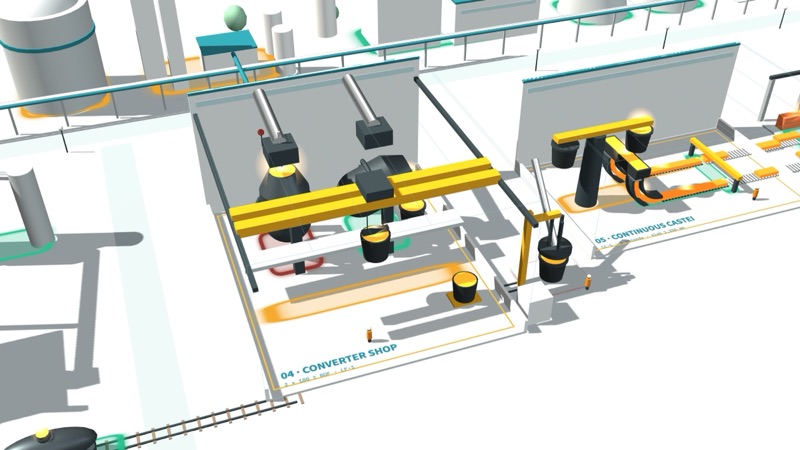 Steel plant digital twinOre to coil: heats, holds, energyOpen the steel plant digital twin →
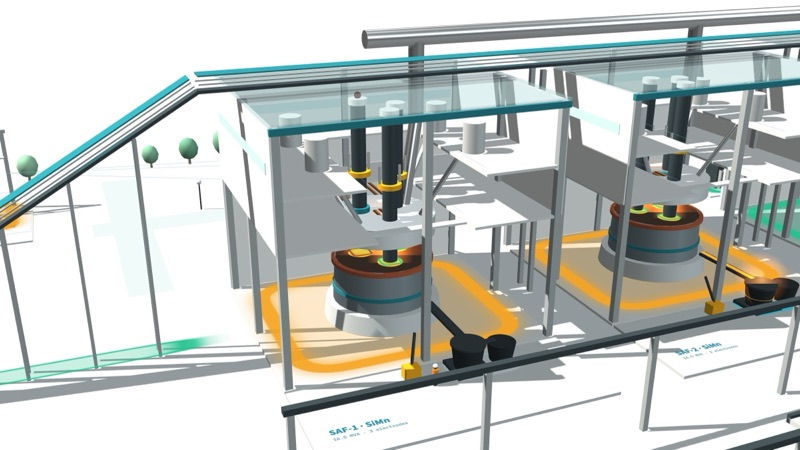 Furnace digital twinFurnaces, tapping, slag basicityOpen the furnace digital twin →
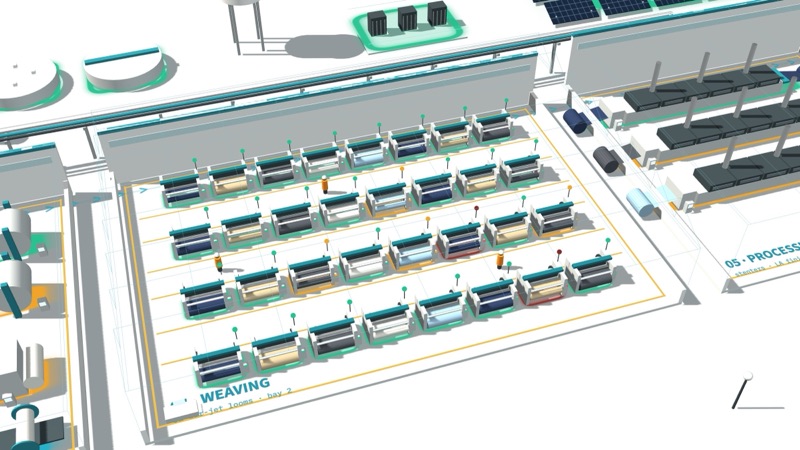 Textile mill digital twinYarn to truck, looms liveOpen the textile mill digital twin →
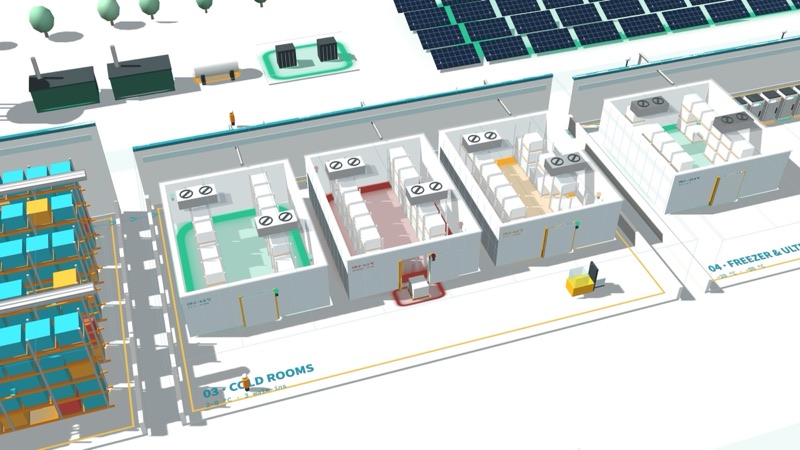 Pharma cold chain digital twinCold rooms, ultra-cold freezers, reefersOpen the pharma cold chain digital twin →
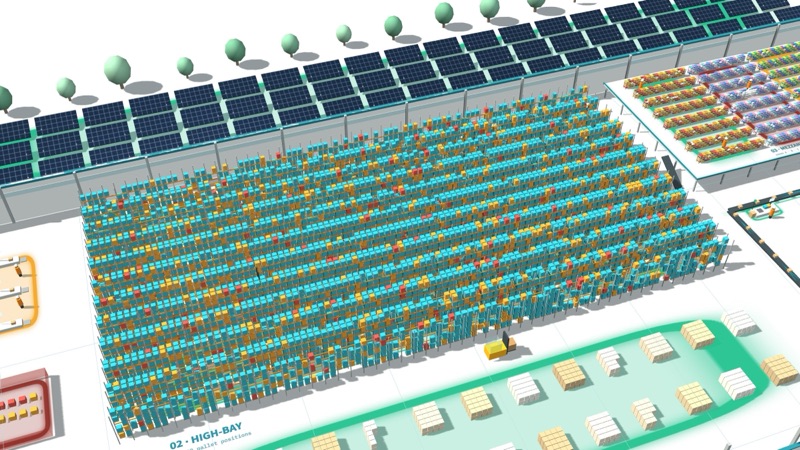 Warehouse digital twinDocks, racks, pick and packOpen the warehouse digital twin →
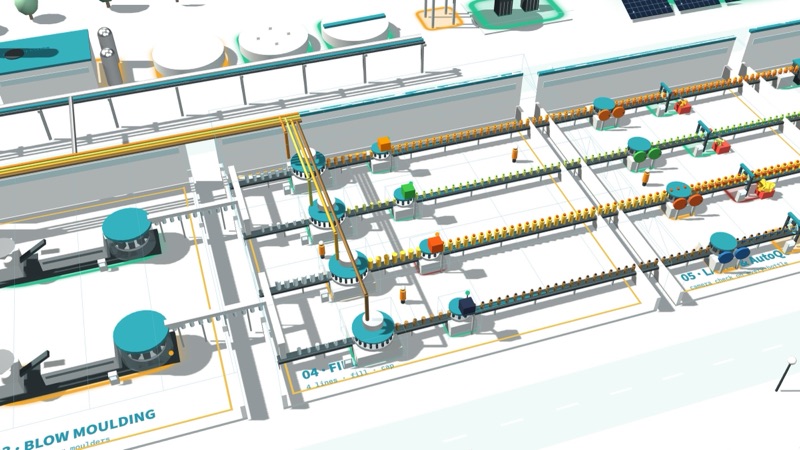 FMCG packaging line digital twinFilling lines, camera QC, palletsOpen the FMCG packaging line digital twin →
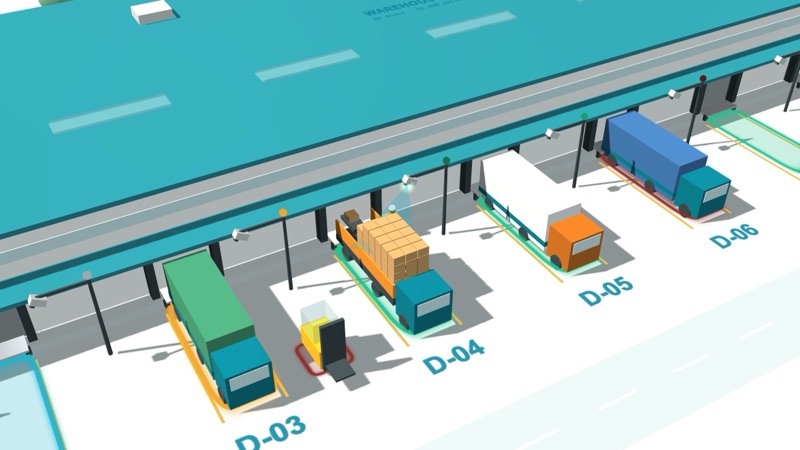 Yard management digital twinFASTag gate to dock to exitOpen the yard management digital twin →
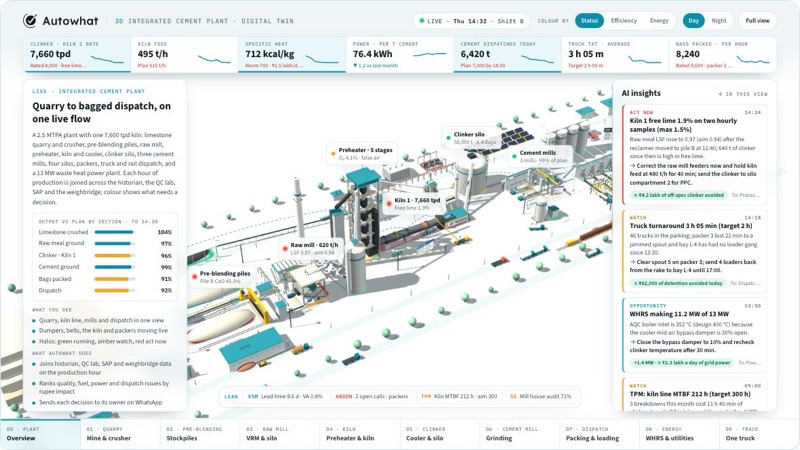 Cement plant digital twinQuarry to clinker to bagged dispatchOpen the cement plant digital twin →
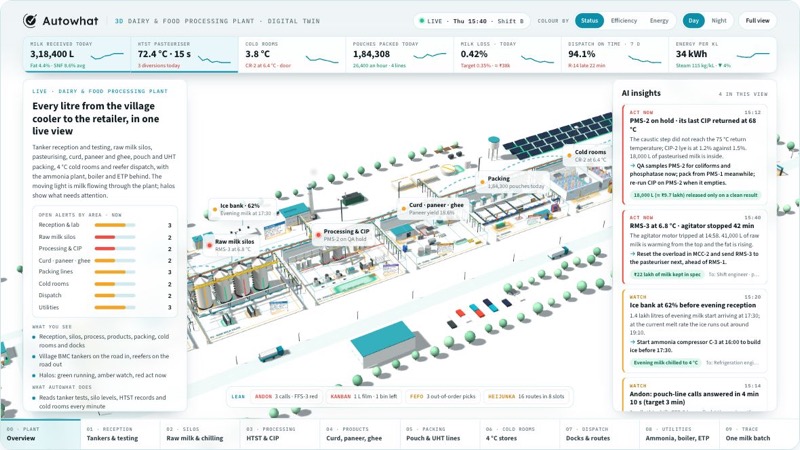 Dairy plant digital twinMilk reception, pasteurising, cold dispatchOpen the dairy plant digital twin →
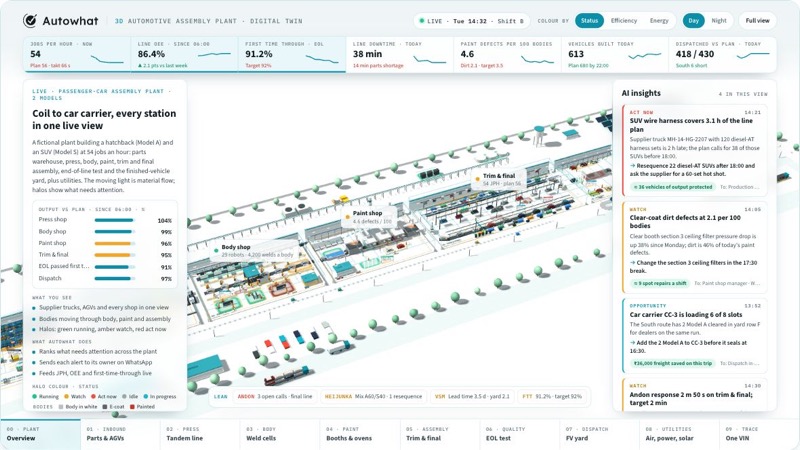 Automotive assembly line digital twinPress, body, paint, final assemblyOpen the automotive assembly line digital twin →
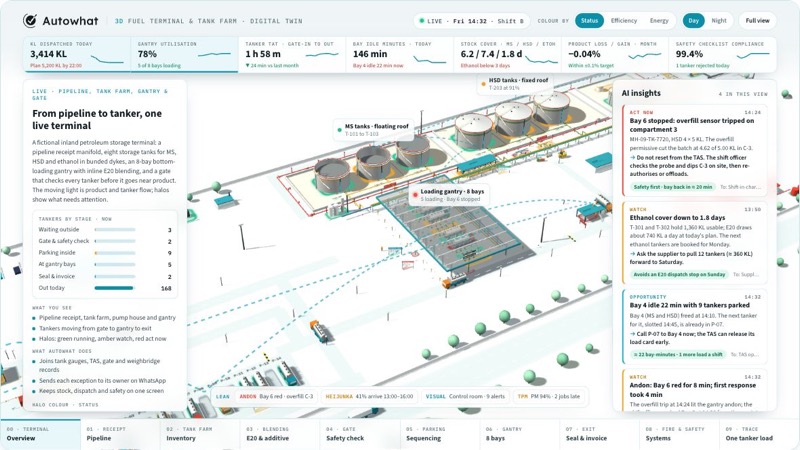 Fuel terminal digital twinTank farm, gantry, tanker gateOpen the fuel terminal digital twin →
FAQDigital twin companies in India
Straight answers, before the call.
What buyers in Indian plants ask most often when they compare digital twin vendors.
Who makes digital twin software in India?
Global PLM, simulation and IoT platforms are sold in India alongside IT services integrators and Indian companies that build twins for particular industries. Autowhat AI builds operational 3D twins of Indian plants, warehouses, yards and fuel terminals from the records they already keep.
Do Indian plants need new sensors for a digital twin?
Usually not to start. Most plants already record enough in ERP or Tally, weighbridge slips, gate passes, PLC counters, lab registers and WhatsApp groups. A twin can start from those and add sensors only where a missing or late reading costs money.
Can a digital twin work with an existing SCADA?
Yes. A plant digital twin should read from SCADA rather than replace it, and join those readings with orders, stock, lab results and trucks from other systems. It sends decisions to the person who acts rather than taking over control. Plants without SCADA can start from PLC counters and registers.
How long does a first plant twin take to set up?
It depends on scope and data readiness rather than a fixed timetable. The work runs in phases: draw the site, connect the systems you already run, model flows and norms with the plant team, send alerts to the people who act, then review shifts on the replay, starting with one site or process.
What drives the cost of a digital twin?
Five things drive it: the scope of sites, sections and units modelled, how ready the data is, the number of systems to connect, the number of 3D areas drawn, and whether new sensors are needed or the twin can start from records the plant already keeps.
Is a digital twin the same as a 3D model?
No. A 3D model shows what a site looks like. A digital twin stays in step with the running plant through the data it produces, so it shows stock, machine states, trucks and alerts as they change. Without that live data link it is a model, not a twin.
07Briefing
Send us a site drawing and a week of records. We’ll show you your plant as a twin.
A working session: your site drawn, two or three data sources connected, and the first alerts written with your team.