EnterpriseFurnace Twin · physics-based digital twin

Furnace digital twin for smelting plants
Ask the furnace. See the proof.

For submerged-arc and other smelting furnaces, where energy is half the operating cost and the recipe lives in senior operators’ heads. A physics model of your furnace — mass and energy balance, slag chemistry, kinetics — calibrated on every heat, with cited answers your whole shift can ask for.

  • Physics + data hybrid model
  • Every heat calibrates it
  • Cited answers, never a guess
TwinScenariosAsk
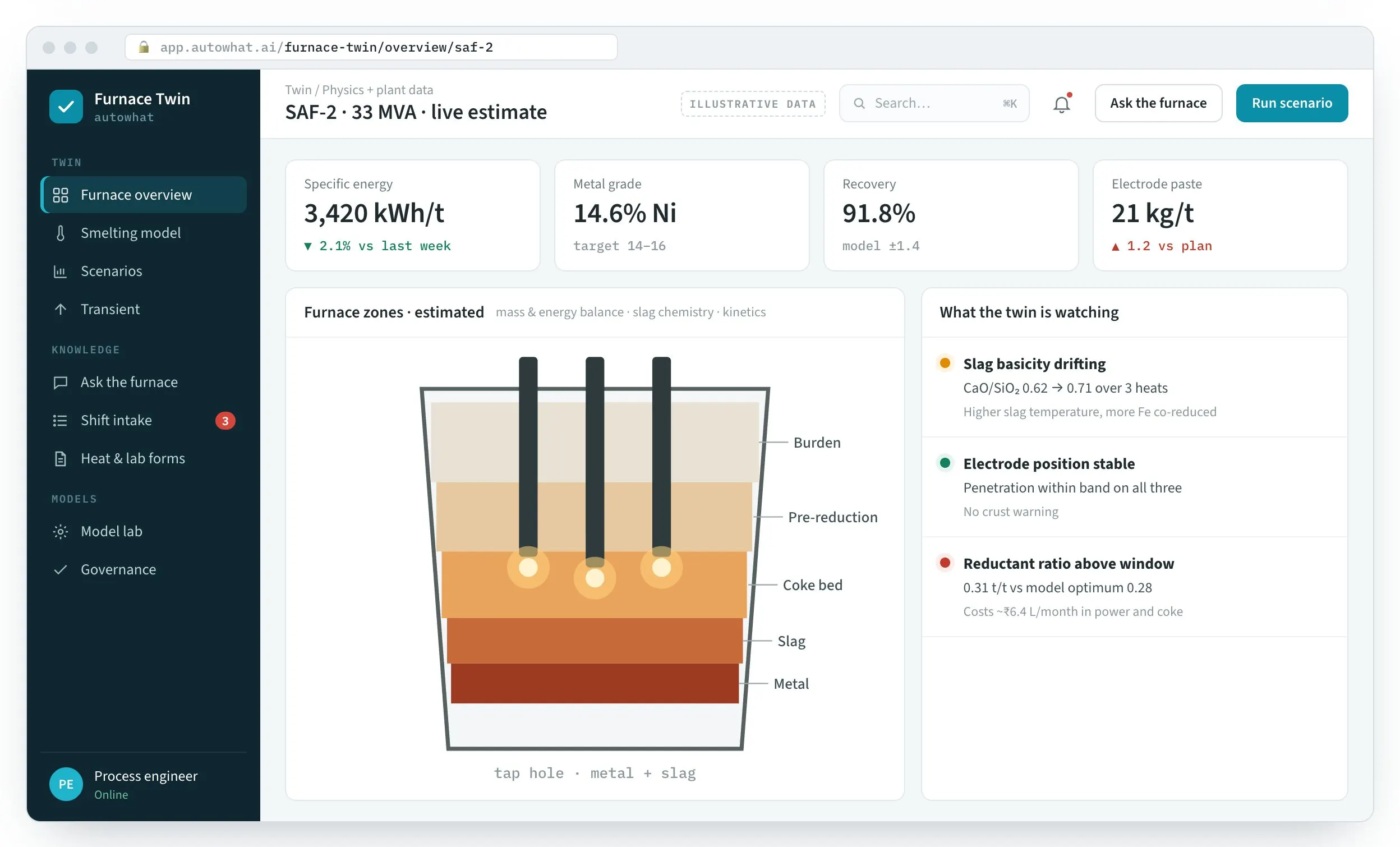
Furnace Twin: energy, grade and recovery estimates beside a cross-section of the furnace zones
Product screen with illustrative data.

3DFurnace Twin in 3D

Three furnaces, batch to bag, in one live model.

Eleven guided views from raw material batching to the tapping floor, slag, crushing and dispatch. Click any furnace for its live record.

Loading the 3D plant…
3D Plant digital twin
LIVE · — · Shift B Colour by

What you see
    What AutoWhat does
      Fictional layout · sample data
      AI insights0 in this view
      Click a card to fly to the machine. Each alert reaches its owner on WhatsApp and the 9 am brief.
      Drag to rotate · Ctrl or ⌘ + scroll to zoom · click a machine or an insight card

      A fictional plant with sample data — your twin is drawn from your own site and systems. See all industries on the Digital Twins page.

      What the 3D twin shows

      A fictional ferro-alloy plant with sample data, in 11 guided views:

      1. Plant: Overview. Raw yard to jumbo bag, three furnaces in one live view. On screen: 3 furnaces, 9 electrodes, glowing hearths; Ladle car, slag carriers, loaders and trucks at work; Material flowing as moving light, yard to truck; Halos: green running, amber watch, red act now. Measure: Metal vs plan by furnace and area, to 14:30. Example alert: SAF-1 is burning 280 kWh/t over standard.
      2. Raw material: Yard & batching. Every batch weighed to the recipe the twin approved. On screen: Four piles with lot, assay and days of cover; Six day bins over the weigh hoppers; Belt 1 rising 48 m to the furnace tops; Paste store with casings for the electrodes. Measure: Cover by material, days of furnace need. Example alert: Coke: 4 days of cover, 6-day rake lead time.
      3. Furnace 1: Electrodes & power. Three electrodes, one short, and the kWh per tonne shows it. On screen: Electrodes A, B and C through the hood to the glowing hearth; Electrode B beacon: short after a break; Casing hoist and operators on the electrode floor; Copper bus bars from the transformer yard behind. Measure: SAF-1, kWh/t over the 4,100 standard, by tap. Example alert: Electrode B is 1.1 m short and carrying 58 kA.
      4. Furnaces 2–3: SAF-2 & SAF-3. Two furnaces: one drifting on slag, one on recipe. On screen: SAF-2 tapping into ladle 2 now; SAF-3 on the 9 MVA FeMn recipe; Three electrodes per furnace, current balanced; Operators on both electrode floors. Measure: Energy vs standard, this shift. Example alert: SAF-2 basicity 0.64 is costing manganese.
      5. Tapping: Ladles & beds. Every tap weighed, cast and tracked to its bed. On screen: SAF-2 ladle filling: tap T-2-0418; Bed 1 still glowing from T-1-0391; Ladle car LTC-1 and crane C-1 on the floor; Bed breaker working bed 3, loader to crushing. Measure: Tap-to-tap time, today, minutes (plan 120). Example alert: Bed 1 will not be free for SAF-1's 15:40 tap.
      6. Slag: Basicity. Slag basicity, tried on the twin before the furnace. On screen: Slag cascading from ladle to slag pot; Slag pot carriers to the granulation tank; Granulation tank turning slag into sand; Slag yard heaps by furnace and date. Measure: Twin scenarios for SAF-2, MnO left in slag. Example alert: +120 kg dolomite per batch: basicity 0.74, MnO 10.6%.
      7. Crushing: Sizing. Cast metal crushed to the size the buyer ordered. On screen: Loader bringing broken metal to the crusher pile; Jaw crusher and two-deck screen; Product heaps by size, ready to bag; Bagging station feeding the jumbo bag store. Measure: Size split today, % of 118 t crushed. Example alert: Undersize at 13.8% against a 9% target.
      8. Quality: Lab & dispatch. Every tap assayed, every bag tied to its tap. On screen: Lab with XRF and carbon-sulphur analyser; Jumbo bags by size and grade in the store; Trucks loading at the docks; Weighbridge with a coke tipper on it. Measure: Last taps, Si % (SiMn 65/16 needs 16.0 or more). Example alert: T-2-0417 assayed Si 15.7%, below the 16.0 minimum.
      9. Energy: Power factor. Power in, kWh per tonne out, power factor watched. On screen: 132 kV line, gantry and two 31.5 MVA transformers; Capacitor bank with step 3 tripped; Three single-phase transformers behind each furnace; Cooling tower and fume extraction fans. Measure: Load now, MW. Example alert: Capacitor step 3 tripped at 11:52.
      10. Maintenance: PdM & spares. Every furnace drive watched, every repair matched to its spare. On screen: Stores with racks coloured by stock against minimum; Critical spares bay: motors, seal kits, bearings, toggle plates; Workshop with lathe, balancing machine and a motor on the stand; Sensor pods on each drive and transformer: green, amber or red. Measure: Machine health, score out of 100. Example alert: SAF-1 electrode hydraulics: clamp seal leak, about 6 days left.
      11. Trace: One tap. One tap, from batch to the bag on the truck. On screen: Teal: steps done · amber: steps ahead; Numbers mark each place the tap passed; A pulse running along the finished route; Each step with its source system and time. Example alert: On track: gate-out 15:10, delivery Friday 18:00.

      AgentsAgents on this plant

      One command, every phone and Mac at the furnaces. Agents act on what the twin shows.

      The twin shows slag chemistry, electrode slip and raw material cover; Autowhat AI Agent and Autowhat AI Agent for Mac do the work. Say one thing from your phone and it splits it across the control-room Mac, the purchase desk and the phones of the people on shift, each running the right AI worker from the Autowhat 100 in the apps already on it.

      Pick an example
      1. 1You say it onceOn Autowhat AI Agent, by voice or text
      2. 2Autowhat AI Agent splits itOne job per phone or Mac
      3. 3Each device worksIts AI worker, in apps already there
      4. 4You OK anything finalOne tap on your phone
      5. 5One summary backWhat was done, what is next
      You · Autowhat AI Agent1:15:00 pmDone

      Slag basicity on SAF-2 has drifted to 0.62 over three taps. Find why, correct the charge and tell me what it costs.

      Split into 6 jobs across 4 Android phones and 2 Macs

      Jobs done6 of 6
      1. 1Control-room MacTook the job · IoT sensor monitor
      2. 4Lab phoneTook the job · Quality checklist runner
      3. 3Furnace in-charge · AjayTook the job · Maintenance scheduler
      4. 2Purchase Mac · NehaTook the job · Stock reorder planner
      5. 5Stores phoneTook the job · Inventory counter
      6. 6Driver · SalimTook the job · Driver coordinator
      7. 1Control-room MacComparing charge mix with the last 7 days
      8. 4Lab phoneBasicity 0.62 vs 0.75 · MnO in slag 14%
      9. 3Furnace in-charge · AjayDolomite feeder 3 choked since 06:40
      10. 5Stores phoneDolomite 1.4 shifts · quartzite 4 days
      11. 6Driver · SalimDolomite truck 60 km out · in by 15:30
      12. 1Control-room MacMn lost to slag: ₹2.1 lakh a day
      13. 1Control-room MacAdd 40 kg dolomite per batch for 3 taps?
      14. 1Control-room MacYou tapped Allow
      15. 2Purchase Mac · NehaRaise PO for 60 t dolomite, ₹1.29 lakh?
      16. 2Purchase Mac · NehaNeha tapped Allow
      17. 3Furnace in-charge · AjayFeeder 3 cleared · new mix charging
      18. 2Purchase Mac · NehaPO-2291 sent to the dolomite supplier
      19. 1Control-room MacRecipe v14 live · next tap check 16:00
      Autowhat AI Agent

      SAF-2 basicity fell because dolomite feeder 3 choked at 06:40, so batches went in short: about ₹2.1 lakh a day of manganese lost to slag. Feeder cleared, 40 kg extra dolomite per batch for three taps, and 60 t more dolomite ordered.

      Check tap T-3322 basicity?
      Your linked devices 4 Android phones · 2 Macs · all onlineWorkingNeeds your OKDone
      1Control-room MacAutowhat AI Agent for Mac · My own device

      NowRecipe v14 live · next tap check 16:00

      H07IoT sensor monitor Done
      2Purchase Mac · NehaAutowhat AI Agent for Mac · Runs with approval

      NowPO-2291 sent to the dolomite supplier

      C05Stock reorder planner Done
      3Furnace in-charge · AjayAutowhat AI Agent · Runs freely

      NowFeeder 3 cleared · new mix charging

      H04Maintenance scheduler Done
      4Lab phoneAutowhat AI Agent · Runs freely

      NowBasicity 0.62 vs 0.75 · MnO in slag 14%

      H03Quality checklist runner Done
      5Stores phoneAutowhat AI Agent · Runs with approval

      NowDolomite 1.4 shifts · quartzite 4 days

      C04Inventory counter Done
      6Driver · SalimAutowhat AI Agent · Ask only

      NowDolomite truck 60 km out · in by 15:30

      F08Driver coordinator Done

      Every device follows its own rule: my own device runs freely, with approval waits for a tap, ask only just answers. Tasks between linked people are end-to-end encrypted; tasks between your own devices are kept on our server for up to 30 days after they finish.

      WhySound familiar?

      Three things we hear in every first conversation.

      From plant heads, process engineers and furnace operators. Composite quotes from discovery calls — the problems are real; the names are left out.

      Furnace Twin: The problem, before Furnace Twin
      A smelting furnace running three shifts a day
      1. “We learn the furnace used more power when the bill arrives.”

        Energy is half the operating cost, but specific energy is only seen monthly — after the money is spent.

        Plant headWeeks between cause and number

      2. “The recipe lives in two senior operators’ heads.”

        Reductant ratio and slag basicity are set by habit; when those operators are away, every heat is a gamble.

        Process engineerKnowledge that walks out of the gate

      3. “We can’t try a new blend without risking a heat.”

        Every change is tested on the real furnace, so most good ideas are never tried.

        Furnace in-chargeSavings left on the table

      HowWhat changes with Furnace Twin

      The same three problems, on the screens that solve them.

      Product screens with illustrative data. In a briefing we model one of your furnaces.

      01The monthly surprise

      Energy, grade and recovery estimated every heat.

      • A physics model of your furnace — mass, energy and slag — calibrated on plant data
      • Drift flagged with its cause: basicity, reductant, electrodes

      Act in the shift, not the month

      Furnace Twin screen: Energy, grade and recovery estimated every heat.

      02Knowledge in heads

      Anyone on shift can ask the furnace.

      • Plain-language questions answered from records, the model and literature
      • Every answer cites its sources

      Experience that stays in the plant

      Furnace Twin screen: Anyone on shift can ask the furnace.

      03Risky trials

      Try the change on the twin first.

      • Reductant, basicity, temperature and feed compared side by side
      • Only the best scenario goes to a two-heat trial

      Fewer gambles, faster savings

      Furnace Twin screen: Try the change on the twin first.

      FieldFurnace Twin in the field

      The people, the phone, the place.

      The workplace it runs in, the person who uses it on a phone, the team at the desk and the detail it reads.

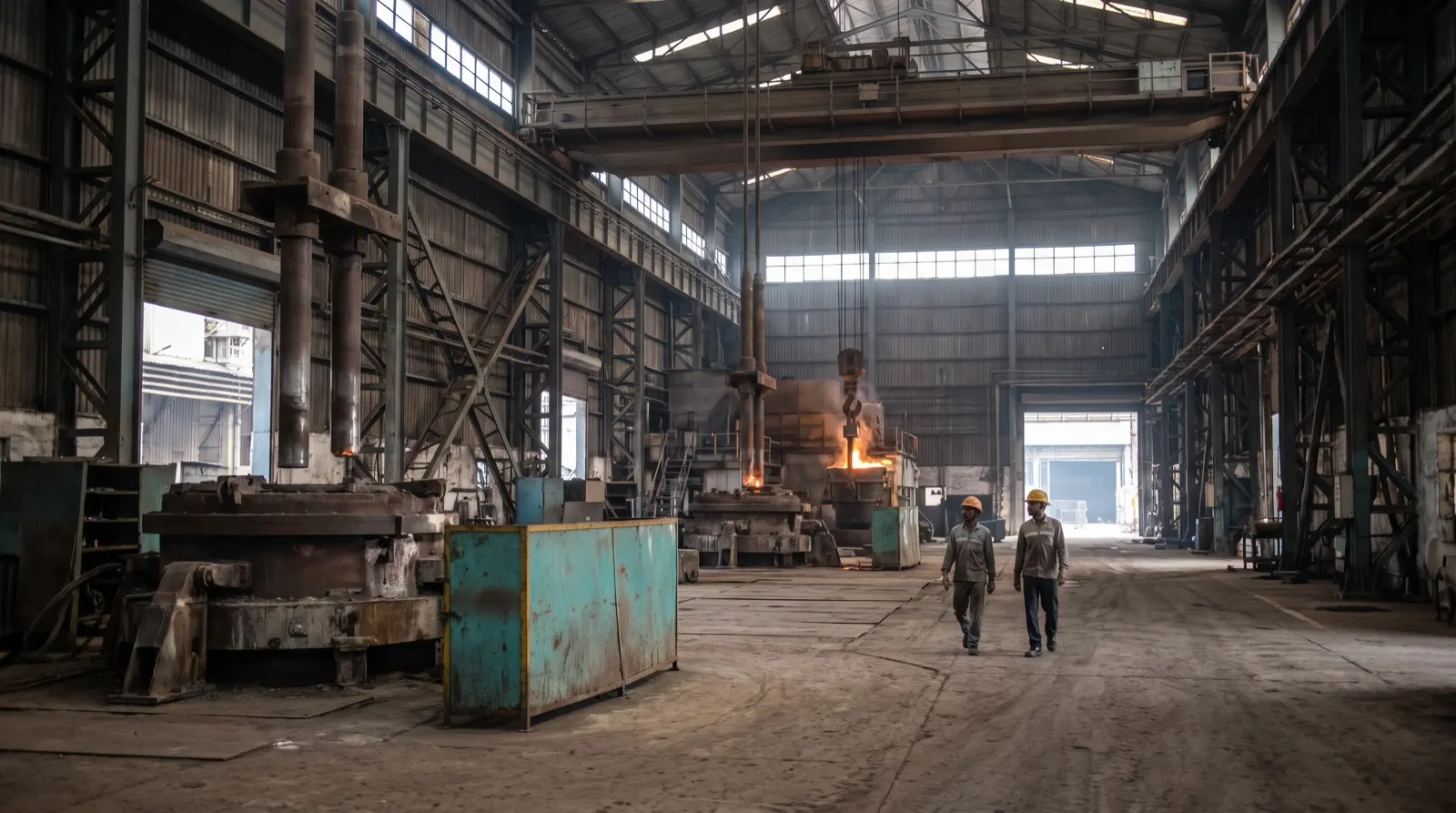
      Furnace Twin: Where Furnace Twin runs
      Where Furnace Twin runs
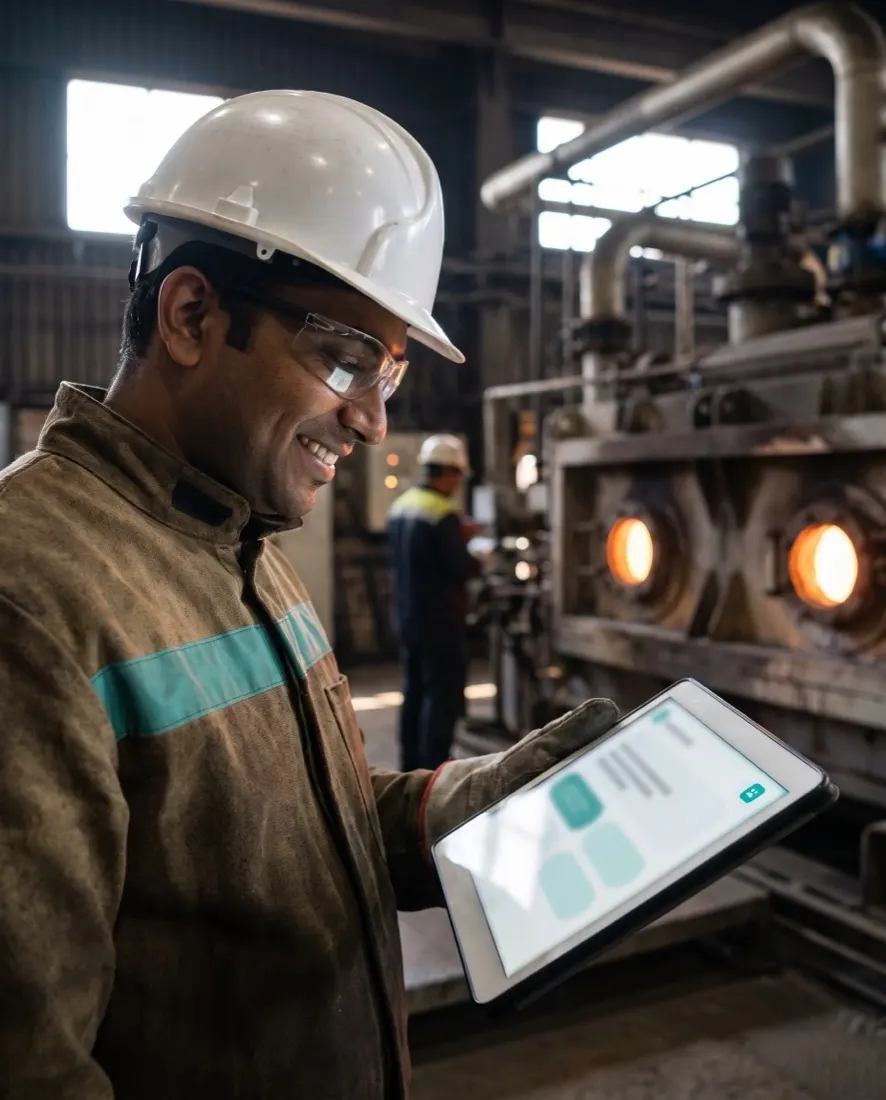
      Furnace Twin: On the phone, where the work happens
      On the phone, where the work happens
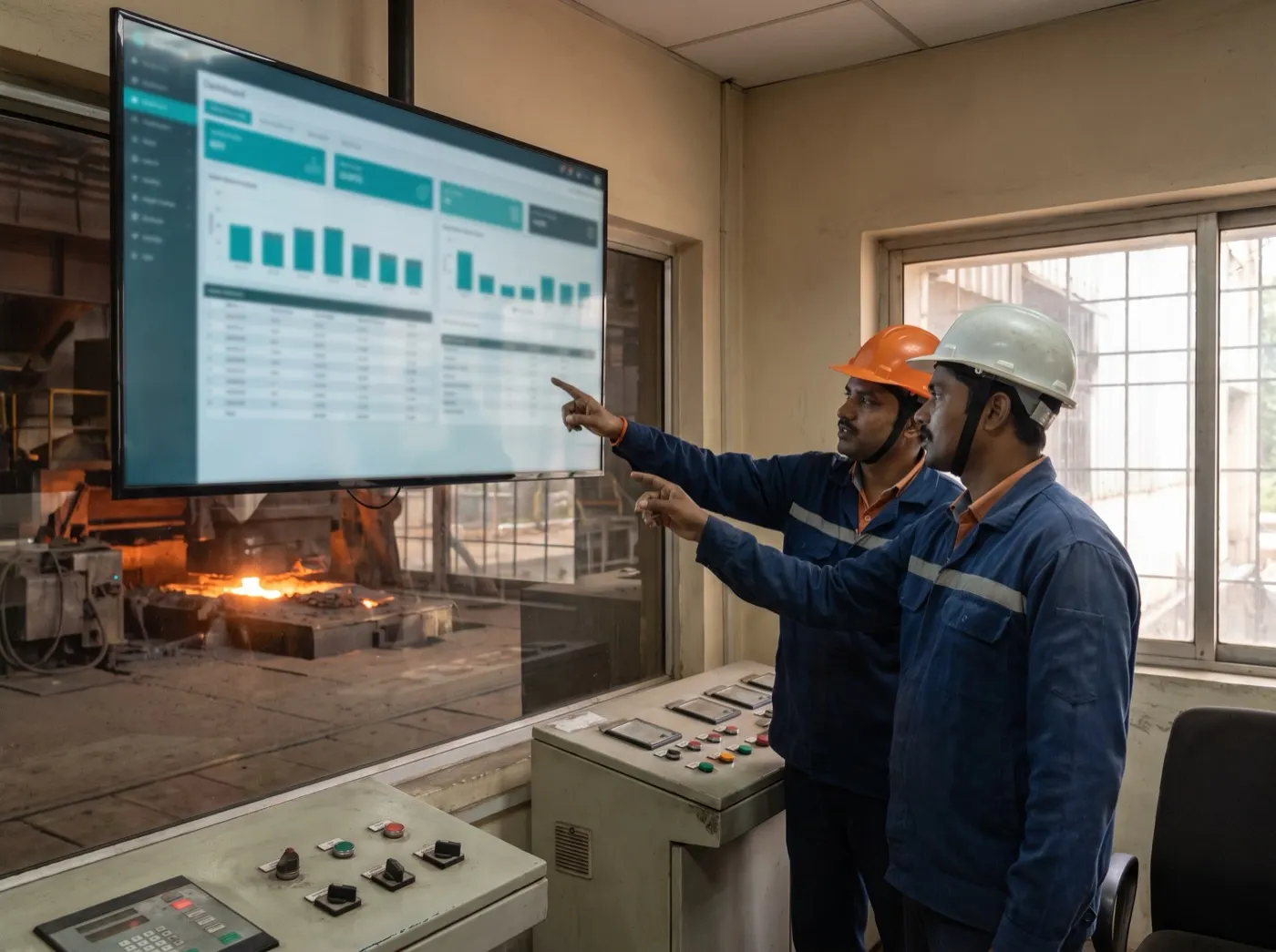
      Furnace Twin: The team at the Furnace Twin desk
      The team at the Furnace Twin desk
      Furnace Twin: The detail Furnace Twin reads
      The detail Furnace Twin reads

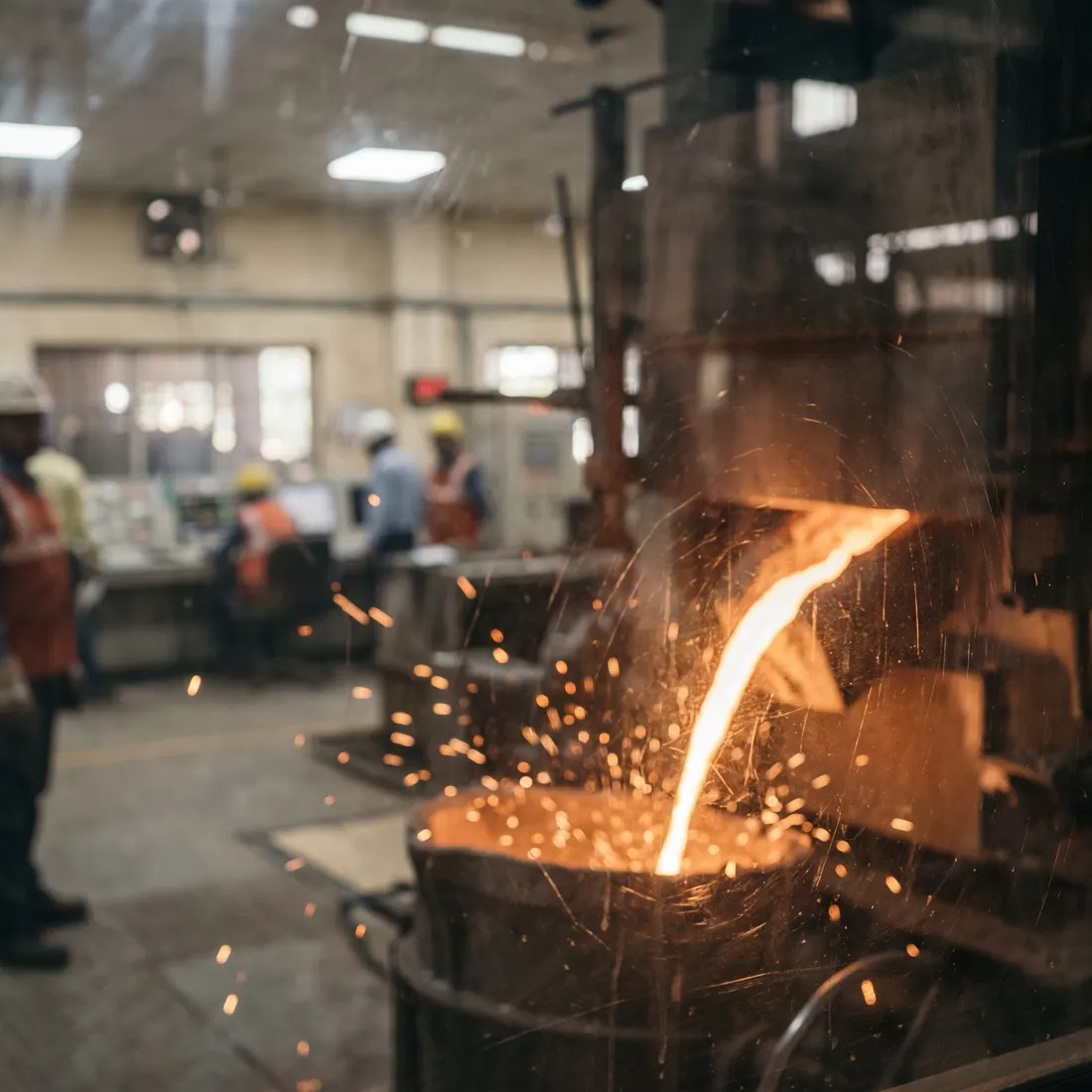
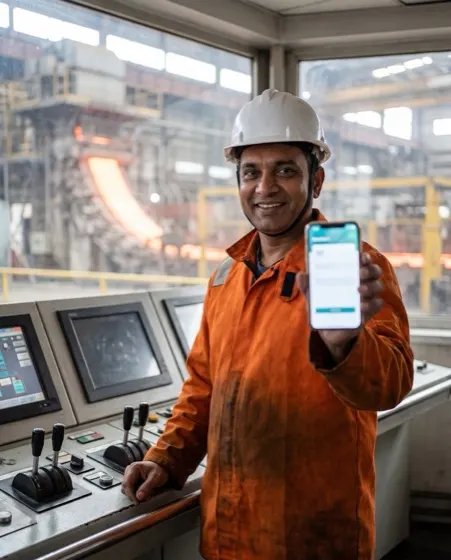
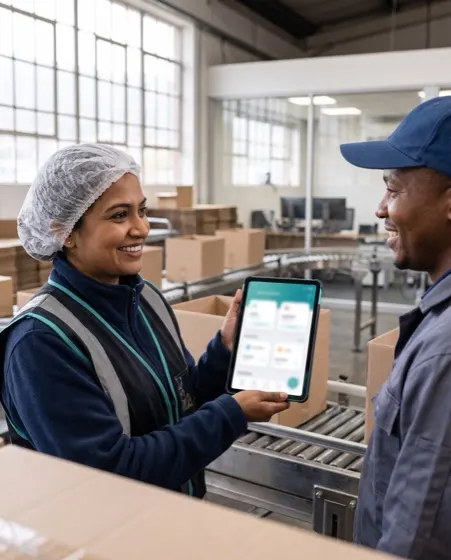
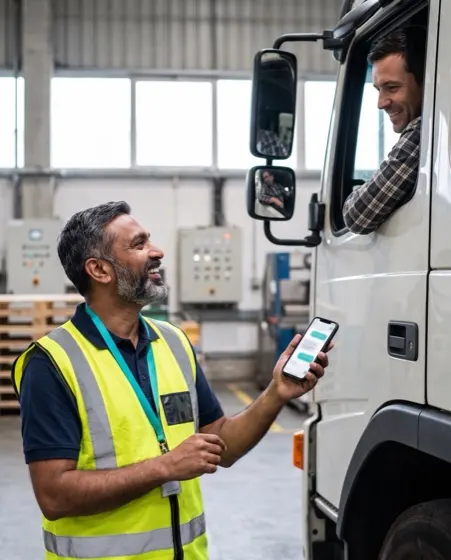
      Photographs are illustrative — real customer sites are not shown.

      • 40–60%Of operating costis energy in a submerged-arc furnace
      • 3–8%Energy at staketypical digital-twin saving range
      • 6Physics modelsmass · energy · slag · kinetics · electrical · zones
      • ± rangeOn every estimatecalibrated against plant history
      • CitedAnswersrecords · model · literature
      • VoiceShift intakeHindi or English

      01The screens

      From the furnace floor to a decision you can defend.

      The live overview, the scenario engine, cited answers and voice shift intake.

      autowhat · Furnace Twin / Furnace overview Illustrative data
      Furnace Twin screen

      Live estimates of energy, grade and recovery, the furnace zones, and what the twin is watching.

      Product screens with illustrative data — furnace, ore and heat figures are placeholders.

      02Before and after

      Most furnaces run on habit and a monthly power bill.

      Less than one in twenty Indian furnaces has any digital optimisation. The twin turns every heat into evidence.

      AreaTodayWith Furnace Twin
      EnergySEC tracked monthly, after the billSpecific energy estimated every heat, with the cause of drift
      RecipeReductant and slag set by habitScenarios priced on the model before a heat is risked
      KnowledgeIn senior operators’ heads and old reportsCited answers anyone on shift can ask for
      Shift handoverA notebook and a phone callGuided voice intake that becomes structured data
      ModelsA one-off study that goes staleCalibrated on every heat, versioned and audited

      03Physics first

      Eight steps, from plant data to a calibrated twin.

      Metallurgy builds the model; plant history corrects it. Generic machine learning alone cannot tell you why.

      1. 01

        Plant data in

        Heats · lab · power

        Heat logs, lab assays, electrical data and shift notes collected per heat.

      2. 02

        Mass balance

        Physics

        Every tonne of ore, reductant and flux traced to metal, slag and gas.

      3. 03

        Energy balance

        Physics

        Electrical input against reactions, heating and losses — specific energy explained.

      4. 04

        Slag chemistry

        Thermodynamics

        Basicity, viscosity and how much iron or chrome is co-reduced.

      5. 05

        Calibrate

        Hybrid model

        Physics corrected with plant history so estimates match the furnace you actually run.

      6. 06

        Run scenarios

        What-if

        Reductant, basicity, temperature and feed changes compared before a trial.

      7. 07

        Answer questions

        Cited

        Engineers ask in plain words; answers cite records, model runs and literature.

      8. 08

        Learn from every heat

        Model lab

        New heats re-calibrate the model; every version is evaluated and logged.

      04The platform

      Twin, knowledge, models and a physics engine underneath.

      Start with one furnace; more furnaces and furnace types run on the same platform.

      Twin · 4

      • Furnace overview
      • Smelting model studio
      • Scenario engine
      • Transient simulation

      Knowledge · 4

      • Ask the furnace · cited
      • Literature & PDF library
      • Shift intake by voice
      • Heat & lab forms

      Models · 4

      • Model lab · calibration
      • Evaluation reports
      • Model registry
      • Governance & audit

      Physics engine · 6

      • Mass balance
      • Energy balance
      • Slag chemistry
      • Reduction kinetics
      • Electrical model
      • Furnace zones

      05How we deliver

      Baseline, calibrate, then operate.

      Built with metallurgists and software engineers together, around your furnace and your ore.

      1. Months 1–2 · BaselinePlant data connected, physics model set up for your furnace and ore, a baseline report.
      2. Months 2–4 · CalibrateThe hybrid model tuned on your heat history until estimates match the plant.
      3. Months 4–6 · OperateScenarios, cited answers and shift intake in daily use; first recipe trials.
      4. Then · ScaleMore furnaces and furnace types on the same platform, with every model versioned.

      06Guide to the 3D twin

      What each view of the twin shows, and why.

      The ferro-alloy plant above is fictional and every number is sample data. The eleven views follow one tap from batch to truck; each is built from data a real plant already records.

      00 · Plant overview

      Three submerged arc furnaces, raw yard to jumbo bag, coloured by status. Metal against plan by furnace and area, and the costliest decisions of the shift.

      01 · Raw material & batching

      Ore, quartz, coke and dolomite lots with assay and days of cover; six day bins; each 4 t batch corrected for moisture and assay before it goes up the belt.

      02 · Furnace 1

      Electrodes A, B and C with current, tip position, slips and paste level. Each tap's kWh/t explained from the energy balance, and when it will return to standard.

      03 · Furnaces 2 and 3

      A silico-manganese furnace drifting on slag and a ferro-manganese furnace on recipe, each compared with its own calibrated model.

      04 · Tapping & beds

      Ladles, ladle car, crane, casting beds, breaker and loader. Every tap weighed and tracked to its bed; beds planned two taps ahead.

      05 · Slag & basicity

      Basicity, MnO in slag and granulation. Dolomite, quartz and coke changes priced on the twin before a two-tap trial.

      06 · Crushing

      Jaw crusher, screen and heaps by size. Undersize linked to crusher setting; bagging planned by each buyer's size spec.

      07 · Lab & dispatch

      Assay per tap against the twin's estimate; jumbo bags tagged by tap; the test certificate built from the bags scanned onto the truck.

      08 · Energy

      132 kV substation, capacitor bank and furnace transformers. Power factor and maximum demand live; peak-hour loads moved.

      09 · Maintenance

      Stores, workshop and the drives and transformers on sensors: a health score and remaining life for each, the spare checked in stores and the job booked into the next furnace shutdown.

      10 · Trace

      One tap from batch to buyer, with time, place and source system for each step, and its cost per tonne on the record.

      LeanLean on the twin

      Lean tools from batching to the dock, each placed where the work happens.

      A ferro-alloy plant loses money in electrode breaks, slow taps and off-grade metal. The twin puts each Toyota Production System tool where it applies, keeps its number live from the batching PLC, furnace historian, lab and ERP, and sends the exception to its owner on WhatsApp.

      Furnaces · tapping floor · crusher

      Andon

      One lamp per furnace, the batching house, the casting beds and the crusher. A red lamp goes to its owner on WhatsApp, and a call still open after 10 minutes goes to the shift in-charge.

      Open calls · response time · taps delayed

      Electrodes · furnace transformers

      TPM

      Electrode length, slips, paste level and clamp water sit with transformer oil temperature and tap position, and with breakdowns and open TPM tags. A skipped paste-level check shows up before it becomes an electrode break.

      Electrode breaks · MTBF · checks signed · open tags

      Ladle and tap-hole changeover

      SMED

      Each ladle change is timed and split into internal and external work. Pre-heating the spare ladle and staging the tap-hole kit before the stop are the usual first moves.

      Minutes per change vs target · taps delayed

      Tapping floor

      Standard work

      The tapping sequence with a standard time per step: checks, opening the tap hole, tapping and sampling, plugging. A step running long, such as a tap hole taking 9 minutes to open, is flagged against the standard.

      Minutes per step vs standard · tap-to-tap time

      Paste store · electrode casings

      Kanban

      Paste, casings and clamp spares are coloured by stock against the reorder line, with consumption from the furnace that uses them. The card goes to stores on WhatsApp when a bin hits the line.

      Days of paste · casings on the rack · stock-outs

      Weigh batching

      Poka-yoke

      A batch outside the recipe's weight band cannot be discharged, and a bin refill is blocked if the lot is not the recipe lot. Moisture corrections are applied to the weights automatically.

      Batches blocked · weighing accuracy · wrong-lot scans

      Tapping floor · crushing

      5S

      Yellow-lined zones with a weekly audit score and open red tags, such as spent lances on the tapping floor or spillage under the screen. Each tag shows its owner and age.

      5S audit score · red tags open

      Furnaces · lab

      OEE and first-pass yield

      OEE per furnace splits losses into availability, rate and quality on every tap. First-pass yield counts taps on grade at the first assay, and an off-grade tap is blocked from the wrong order.

      OEE by furnace · taps on grade first time · tonnes blended

      MaintenancePredictive maintenance and spares

      Sensors on every furnace drive and transformer, and the spare checked before the shutdown.

      A ferro-alloy plant stops when an electrode, a transformer or the fume fan stops. The twin reads hydraulic pressure, vibration, temperature, current and transformer dissolved gas, predicts what will fail and when, checks the spare in stores and books the job into the next furnace shutdown.

      Clamp holding pressure · pump case drain

      Electrode hoist and slipping hydraulics

      Seal leaks and pump wear on each furnace's hydraulic pack, from the pressure lost while the clamps hold and the case drain flow, before a slip goes wrong or an electrode drops.

      Spare: Slipping cylinder seal kits and pump cartridges, with lead time shown when stock is zero

      Bar lost in 10 min · slips off set · remaining life

      Dissolved gas in oil · top oil temperature · tap position

      Furnace transformers

      Hot contacts in the tap changer and winding faults from the trend in ethylene, acetylene and hydrogen, read against load and tap. The inspection is booked into a furnace shutdown.

      Spare: Tap-changer contact sets, by exchange with the transformer maker

      ppm per gas · weeks to the trip limit · oil °C at load

      Vibration · 1× peak · bearing temperature

      Fume extraction ID fan

      Impeller dust build-up and bearing wear on the fan that keeps the furnaces within the pollution consent, so a wash fits a planned stop.

      Spare: Fan bearings and coupling inserts

      mm/s trend · stack dust mg/Nm³ · fan hours derated

      Drill torque · tap-hole opening time

      Tapping machines

      Worn drill bits and gearbox wear from the minutes it takes to open each tap hole, before a slow tap delays the furnace.

      Spare: Drill bits, rods and mud gun nozzles

      Minutes to open · taps per bit · tap-to-tap delay

      Bearing temperature · belt slip · flow at current

      Jaw crusher, screen and granulation pumps

      Flywheel bearing and belt problems on the crusher, exciter bearings on the screen and impeller wear on the granulation pumps.

      Spare: Toggle plates, V-belts and pump impellers on a kanban card

      Tonnes per hour · undersize % · flow per kW

      Stores ledger · work orders

      Stores and workshop

      Which critical spares are at zero or under minimum against the jobs the sensors are predicting, and the workshop backlog in days.

      Spare: 148 critical items tracked against open predictions

      Critical spares at zero · PM compliance · backlog days

      07A shift in practice

      Four decisions, one afternoon shift.

      Sample scenarios from the fictional plant above: who gets what, when, and what they do with it.

      14:28 · Furnace in-charge

      SAF-1 is 280 kWh/t over standard. The twin traces it to electrode B, 1.1 m short after a break, and gives a plan: slip 40 mm every 2 hours, top up paste, weld the casing at 15:30. It expects specific energy back near standard by morning.

      14:15 · Process engineer

      SAF-2 basicity has fallen to 0.64 after a low-MgO dolomite lot. Three dolomite additions are run on the twin; +120 kg per batch gives the best recovery for the energy, so only that one goes to a two-tap trial.

      14:22 · Tapping foreman

      Bed 1 will still be at 840 °C when SAF-1 taps at 15:40. The twin moves the tap to bed 3 and asks the breaker to clear it by 15:30, so the tap is not held for a bed.

      14:40 · QA lead

      Tap T-2-0417 assayed Si 15.7%, under the 16.0 minimum. Instead of downgrading 7.1 t, the twin pairs it bag for bag with a 16.6% tap so the lot averages 16.15% and still meets the contract.

      08Data sources

      Heat logs, lab, power and shift notes, per tap.

      Furnace Twin uses the records a plant already keeps. The physics model is set up for your furnace and ore, then calibrated on your own heat history.

      SourceWhat the twin usesJoined onShown in
      Batching / weigh systemRecipe, batch weights, moisture correctionBatch and furnaceMass balance, material cover
      Furnace PLC · SCADA · historianMW, electrode current and position, slips, temperaturesFurnace, time, tapEnergy balance, electrode view
      Lab (LIMS or registers)Raw material assays, metal and slag chemistryLot, tap numberBasicity, recovery, grade estimate check
      Electrical meterskWh, power factor, maximum demandFeeder, furnace, timekWh/t per tap, PF and demand
      ERP · storesLots received, orders, bags, dispatchLot, order, bagCover, bag tracing, certificates
      Shift notesHandover by guided voice intakeFurnace, shiftEvents on the tap record

      09Rollout

      Baseline, calibrate, then operate.

      One furnace first; more furnaces and furnace types run on the same platform, with every model versioned.

      PhaseScopeWhat goes liveWho uses it
      Months 1–2 · BaselineOne furnacePlant data connected, physics model set up for your furnace and ore, baseline reportPlant head, process engineer
      Months 2–4 · CalibrateSame furnaceHybrid model tuned on heat history until estimates match the plantProcess engineer, metallurgist
      Months 4–6 · OperateSame furnaceScenarios, cited answers and shift intake in daily use; first recipe trialsFurnace in-charge, shift teams
      Then · ScaleMore furnacesOther furnaces and furnace types on the same platformWhole plant

      10Compared

      Twin, MES dashboards and SCADA: different jobs.

      A furnace needs control, reporting and an explanation. Only one of these explains why the kWh/t moved.

      Twin vs MES dashboards vs SCADA

      SCADA / HMIMES or report dashboardsFurnace Twin
      Main questionIs the furnace running now?How much did we make and use?Why did this tap cost more, and what should change?
      EnergyMW and current nowkWh/t after the shift or monthkWh/t per tap split into reactions, heating and losses
      Slag and recipeNot coveredLab results in a tableBasicity and recovery estimated; changes priced before a trial
      ModelNoneNonePhysics model calibrated on your heats, versioned
      KnowledgeAlarm textReport notesCited answers from records, model runs and literature
      ActionAlarms to the operatorReports to managersOwner gets the decision on WhatsApp, logged to the tap

      Submerged arc furnace (SAF)

      An electric furnace where electrodes sit deep in the charge; used for silico-manganese, ferro-manganese and ferro-chrome.

      Specific energy (SEC)

      kWh of electricity per tonne of alloy; the main cost number in a ferro-alloy plant.

      Söderberg electrode

      A self-baking electrode: paste in a steel casing bakes as it moves down, and is slipped as it is consumed.

      Slag basicity

      (CaO + MgO) / SiO₂ in the slag; it sets how fluid the slag runs and how much manganese stays in it.

      Mn recovery

      Share of the manganese charged that ends up in the metal rather than the slag or dust.

      Tap-to-tap

      Time between two taps of the same furnace; usually about two hours.

      SiMn 65/16

      Silico-manganese with about 65% Mn and at least 16% Si, a common grade for steelmakers.

      Power factor (PF)

      How much of the drawn power does useful work; low PF can lose a tariff rebate.

      OverviewFurnace Twin · furnace digital twin

      Furnace digital twin for smelting: how Furnace Twin works

      Furnace Twin is a furnace digital twin for submerged arc and other smelting furnaces: a model of the real furnace that estimates what is happening inside it — energy use, metal grade, recovery and slag basicity — from plant data, and lets engineers test changes before a heat is risked. In Indian smelting plants, energy is 40–60% of operating cost, yet specific energy is often seen only on the monthly bill and the recipe lives in senior operators' heads.

      The twin is a physics model of your furnace — mass and energy balance, slag chemistry, reduction kinetics, electrical model and furnace zones — calibrated on your heat history so estimates match the furnace you run. Energy, grade and recovery are estimated every heat with ranges, slag basicity, viscosity and co-reduction are computed from thermodynamics, scenarios compare reductant, basicity, temperature and feed, and anyone on shift can ask questions that get cited answers.

      Smelting furnace mass and energy balance every heat

      Every tonne of ore, reductant and flux is traced to metal, slag and gas, and electrical input is set against reactions, heating and losses.

      Specific energy consumption estimated per heat

      Energy, grade and recovery are estimated every heat with a range, and drift is flagged with its likely cause — basicity, reductant or electrodes.

      Slag basicity and chemistry modelled

      Basicity, viscosity and how much iron or chrome is co-reduced are computed from thermodynamics, not set by habit.

      Scenario engine for furnace recipe changes

      Reductant, basicity, temperature and feed changes are compared side by side on the twin, so only the best scenario goes to a two-heat trial.

      Physics-based model calibrated with plant data

      Metallurgy builds the model and plant history corrects it; every heat re-calibrates it, and every version is evaluated, logged and audited.

      Cited answers and voice shift intake

      Engineers ask in plain words and answers cite records, model runs and literature; shift handover is captured by guided voice in Hindi or English as structured data.

      Who it is for

      • Plant heads at ferroalloy and other smelting plants who need specific energy seen every heat rather than on the monthly power bill.
      • Process engineers who want to test reductant, basicity and feed changes on a model before risking the real furnace.
      • Furnace in-charges and shift operators who need the senior operators' know-how available as cited answers on every shift.

      Read next

      Furnace Twin compared

      Manual / spreadsheetsData-only (machine learning) modelFurnace Twin
      Energy visibilitySpecific energy tracked monthly, after the billPredictions without a physical reasonSpecific energy estimated every heat, with the cause of drift
      Recipe changesReductant and slag set by habitCorrelations from past data onlyScenarios priced on a physics model before a heat is risked
      Explaining whySenior operators' memoryHard to explainMass, energy and slag balances show where energy and metal go
      KnowledgeNotebooks and old reportsNot capturedCited answers and structured voice shift intake
      Model upkeepA one-off study that goes staleRetrained on demandCalibrated on every heat, versioned and audited

      FAQQuestions we get about Furnace Twin

      Straight answers, before the call.

      Furnace Twin is a physics-based digital twin of the furnace — mass and energy balance, slag chemistry and kinetics — calibrated on every heat, with scenarios to try a change before the real furnace does, and cited answers for anyone on shift. Short, factual answers for buyers, procurement and the assistants people ask first.

      In short. Furnace Twin is a physics-based digital twin of the furnace — mass and energy balance, slag chemistry and kinetics — calibrated on every heat, with scenarios to try a change before the real furnace does, and cited answers for anyone on shift. It is built for plant heads, process engineers and furnace operators. It exists to remove the problems those teams describe in almost every first conversation: specific energy seen monthly, after the money is spent; and reductant ratio and basicity set by habit, lost when the operator is away. With Furnace Twin, teams get energy, grade and recovery estimated every heat, and plain-language questions answered from records, the model and literature. It connects to Plant historian / PLC data, Thermodynamic model, Local LLM with citations and Scenario engine, is used by Process · operations · plant head, and runs on web. Like every Autowhat AI product, Furnace Twin goes live on one site, lane or process first, usually within weeks, on managed cloud, in your own VPC or on-premises, and shares one operational record with the other products, so the second deployment reuses the data and integrations of the first.

      What is a furnace digital twin?

      It is a model of a real furnace that estimates energy, grade, recovery and slag from plant data and lets you test changes before a heat. Furnace Twin uses physics — mass and energy balance, slag chemistry and kinetics — calibrated on every heat.

      How does a submerged arc furnace digital twin work?

      Heat logs, lab assays, electrical data and shift notes feed a physics model of the furnace, which is then corrected with plant history so its estimates match the furnace you run. New heats keep re-calibrating it.

      Physics-based vs machine learning furnace models: what is the difference?

      A data-only model finds patterns but cannot say why a heat used more energy. A physics-based model explains it through mass, energy and slag balances, and Furnace Twin uses plant data to calibrate that physics.

      What is slag basicity and why does it matter?

      Slag basicity is the ratio of basic to acidic oxides in the slag, and it affects viscosity and how much metal is lost or co-reduced. Furnace Twin computes basicity per heat and lets you test changes to it as a scenario.

      How is slag basicity calculated?

      Divide the weight percent of basic oxides in the tapped slag by the acidic oxides. Binary basicity (B2) is CaO / SiO2 and ternary basicity (B3) is (CaO + MgO) / SiO2. Furnace Twin computes basicity per heat from thermodynamics, along with viscosity and how much iron or chrome is co-reduced.

      How does slag basicity affect specific energy consumption?

      Slag chemistry changes how fluid the slag runs, how much metal stays in it and how power is released in the furnace. Furnace Twin estimates specific energy every heat and flags drift with its likely cause, such as basicity, reductant or electrodes, so it is seen in the shift rather than on the monthly bill.

      Is Furnace Twin a blast furnace digital twin?

      No. Furnace Twin is built for submerged arc and other smelting furnaces, such as those in ferro-alloy plants, and models mass and energy balance, slag chemistry and kinetics on every heat. For an integrated steel plant, Steel Twin covers the route from blast furnace and converter to ladle, caster and mills, with every heat traced to its grade.

      How long does it take to set up Furnace Twin in an Indian plant?

      Baseline takes about two months, calibration on your heat history runs to month four, and scenarios and cited answers are in daily use by months four to six. A first working session uses three months of heat data.

      How much does furnace digital twin software cost?

      Furnace Twin is priced per deployment after a 30-minute working session on your own data; there is no public list price. The first wave is scoped in that call.

      Who is Furnace Twin for?

      Plant heads, process engineers and furnace operators. A physics-based digital twin of the furnace — mass and energy balance, slag chemistry and kinetics — calibrated on every heat, with scenarios to try a change before the real furnace does, and cited answers for anyone on shift.

      What problems does Furnace Twin remove?

      Specific energy seen monthly, after the money is spent; reductant ratio and basicity set by habit, lost when the operator is away; good ideas never tried because every trial risks the furnace.

      What do we get with Furnace Twin?

      Energy, grade and recovery estimated every heat; plain-language questions answered from records, the model and literature; reductant, basicity, temperature and feed compared side by side.

      How do we start with Furnace Twin?

      With a 30-minute working session on your own data — an engineer from the relevant sector, not a sales queue. The first wave is scoped in that call; most products go live on one site, lane or process within weeks and then scale.

      Where does Furnace Twin run, and who owns the data?

      On managed cloud, in your own VPC (AWS, Azure or GCP) or on-premises, with your keys. SOC 2 Type II and ISO 27001 controls, India data residency when required, and local or open-weight models when policy demands it. The data stays yours.

      Is the 3D ferro-alloy plant on this page real plant data?

      No. The plant is fictional and every number is sample data. It shows how Furnace Twin presents a real submerged arc furnace plant once heat logs, lab assays and electrical data are connected.

      How can a ferro-alloy plant reduce kWh per tonne?

      First by knowing why each tap used what it did. Furnace Twin estimates specific energy every heat and splits electrical input into reactions, heating and losses, so drift from electrodes, reductant or slag is seen in the shift rather than on the monthly bill.

      Can Furnace Twin model silico-manganese and ferro-manganese furnaces?

      Yes. The physics model is set up for your furnace and ore, then calibrated on your own heat history, so each furnace is compared with its own model.

      How does Furnace Twin test a recipe change before a trial?

      Reductant, basicity, temperature and feed changes are run as scenarios on the calibrated model and compared before a heat is risked. Only the best option goes to a trial on the furnace.

      What data does Furnace Twin need to start?

      Heat logs, lab assays, electrical data and shift notes for one furnace. Months 1 to 2 connect them and set up the physics model for your furnace and ore.

      Does Furnace Twin replace our SCADA or furnace control system?

      No. It reads from the systems the plant already runs and adds the mass and energy balance, scenarios and cited answers; furnace control stays where it is.

      Can engineers ask Furnace Twin questions in plain words?

      Yes. Engineers ask in plain words and answers cite records, model runs and literature, so anyone on shift can check where an answer came from.

      How are electrode problems shown in Furnace Twin?

      Electrode current, position, slips and paste level sit beside each tap's energy balance, so a short or unbalanced electrode shows up as the cause of higher kWh per tonne.

      Which lean tools does Furnace Twin show?

      Andon on the furnaces, beds and crusher, TPM for electrodes and furnace transformers, SMED for ladle changes, standard work for tapping, kanban for electrode paste and casings, poka-yoke on batch weights, 5S on the tapping floor and at crushing, and OEE and first-pass yield by furnace. Each is fed from the batching PLC, furnace historian, lab and ERP.

      How does Furnace Twin support TPM for Söderberg electrodes?

      Electrode length, slips, paste level and current are tracked against the TPM check sheet for each shift. A missed paste-level check or an electrode running short is flagged with its owner before it turns into a break and higher kWh per tonne.

      Can a digital twin measure OEE on a submerged arc furnace?

      Yes. The twin splits each furnace's losses into availability (power-off and electrode time), rate (MW below set point) and quality (off-grade taps) on every tap, so OEE is known by shift rather than at month end.

      06Briefing

      Bring three months of heat data. We’ll show you where the energy goes.

      A working session: your furnace modelled, the mass and energy balance closed, and the first scenarios priced.