EnterpriseSteel Twin · integrated steel plant digital twin

Steel plant digital twin
Every heat, traceable. From raw material to dispatch.

For plant heads and shift controllers in integrated steel plants. One live view of the physical flow — blast furnace, converter, ladle, caster and mills — with every heat linked to its grade, sales order, chemistry and product, and one ranked queue of what needs a decision.

  • Heat genealogy end to end
  • One action queue ranked by cost
  • Shift replay for every review
Control roomHeatsQuality
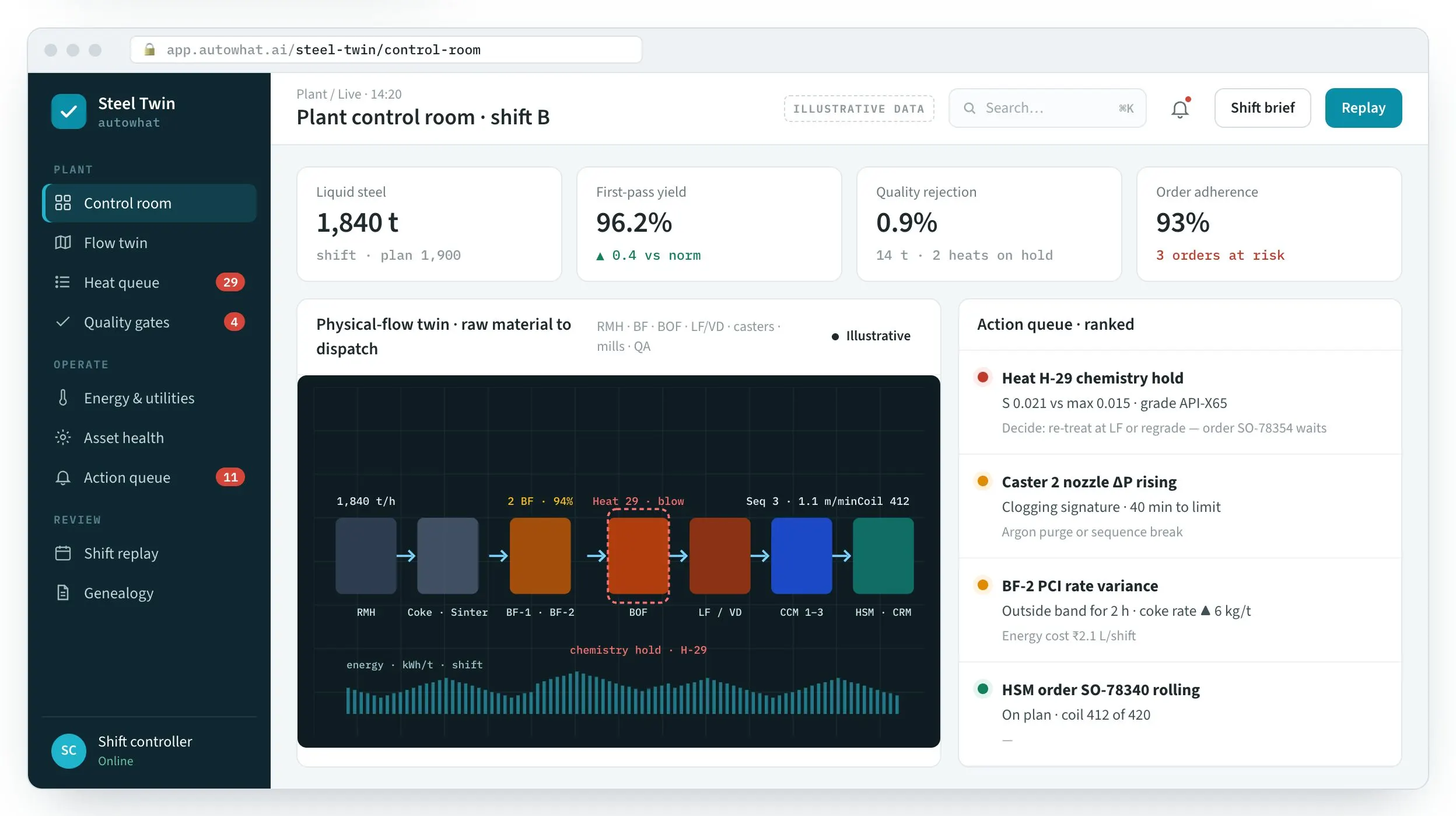
Steel Twin: The physical flow from raw material to dispatch, and the ranked action queue.
Product screen with illustrative data.

3DSteel Twin in 3D

The whole steel plant, ore to coil, in one live model.

Eleven guided views from the raw material yard to the coil yard: heats, holds, energy and dispatch on one 3D plant. Click any unit for its live record.

Loading the 3D plant…
3D Plant digital twin
LIVE · — · Shift B Colour by

What you see
    What AutoWhat does
      Fictional layout · sample data
      AI insights0 in this view
      Click a card to fly to the machine. Each alert reaches its owner on WhatsApp and the 9 am brief.
      Drag to rotate · Ctrl or ⌘ + scroll to zoom · click a machine or an insight card

      A fictional plant with sample data — your twin is drawn from your own site and systems. See all industries on the Digital Twins page.

      What the 3D twin shows

      A fictional integrated steel plant with sample data, in 11 guided views:

      1. Plant: Overview. Ore to coil, every shop on one live flow. On screen: 12 shops and utilities in one view; Hot metal, slabs, coils and scrap moving between shops; Halos: green running, amber watch, red act now; Torpedoes, slag carriers, cranes and trucks at work. Measure: Output vs plan by shop, to 14:30. Example alert: Heat 24876 on hold: sulphur 0.018% (max 0.012%).
      2. Raw materials: Yard. Ore, coal and flux by pile, cover and blend. On screen: 4 piles: ore fines, lump ore, coking coal, limestone; Two stacker-reclaimers working the piles; Ore rake R-7712 at the wagon tippler; Loader WL-04 feeding limestone to the flux hopper. Measure: Stock cover, days of consumption (minimum 5). Example alert: Limestone: 4 days of cover, next rake in 5.
      3. Iron making: BF-1. Burden in, hot metal out, every cast on record. On screen: BF-1 with 3 hot stoves and gas cleaning; Cast 5 running into torpedo TLC-11; Coke battery pushing, sinter strand running; Slag pot carrier on its way to the slag pit. Measure: BF-1 fuel rate, kg per tonne hot metal. Example alert: BF-1 fuel rate 522 kg/thm (norm 505).
      4. Steel making: BOF & LF. Two converters, one ladle furnace, every heat on grade. On screen: Converter 1 blowing, converter 2 tapping; EOT-3 carrying a hot-metal ladle; LF-1 arcing on heat 24876, alloy bunkers above; Scrap car bringing 31 t for heat 24878. Measure: Tap-to-tap, minutes, last 5 heats (norm 42). Example alert: Converter 1 tap-to-tap 56 min (norm 42).
      5. Casting: CC-1 & slabs. Two strands, every slab tied to its heat. On screen: Ladle of heat 24875 on the turret; Glowing strands and spray steam; Slab yard with hot stacks, a hold bay and crane SC-2; Torch cutting slabs to order length. Measure: Slabs by disposition, last 24 h. Example alert: Sequence: heat 12 of 14 at risk.
      6. Rolling: Hot strip mill. Slab to coil in four minutes, on the record. On screen: Walking-beam furnace discharging a slab; Glowing strip through F1 to F6; Mill crane MC-1 moving F4 rolls; Roll shop with spare work-roll sets. Measure: Mill delays this shift, minutes. Example alert: Cobble at F4 at 13:47 · 22 min lost.
      7. Coil yard: Yard & dispatch. Every coil by status, every rake and truck on time. On screen: Rows coloured: cooling, released, on hold; Pune rake RK-2214 loading at the siding; Cranes C2 and C3 and two coil transporters; Trucks at the loading bay and the gate. Measure: Coils in the yard by status. Example alert: Pune rake: 41 of 58 coils loaded.
      8. Utilities: Energy & water. Energy against norm, by unit and by shift. On screen: CPP chimney and two cooling towers; Oxygen plant feeding the converters; BF gas holder at 92%; 220 kV substation and water treatment. Measure: Energy vs norm by unit, shift B. Example alert: Oxygen 58 Nm³/t of steel (norm 54).
      9. Quality: Holds. Every hold with its options, cost and history. On screen: LF-1 re-treating heat 24876; Hold bay with 6 slabs of heat 24874; LIMS lab with the re-test queue; Sample runner carrying the 24876 sample. Measure: Open holds, margin at risk (₹ lakh). Example alert: 24874: 6 slabs to inspect before rolling.
      10. Maintenance: PdM & spares. Every big drive watched, every repair matched to its spare. On screen: Stores with racks coloured by stock against minimum; Critical spares bay: motors, gearbox, bearings, seals; Workshop beside the mill maintenance bay, with a motor on the stand; Sensor pods on each drive: green, amber or red. Measure: Machine health, score out of 100. Example alert: F4 main drive: bearing defect, about 11 days left.
      11. Trace: One heat. One heat, followed from charge to coil. On screen: Teal: steps done · amber: steps ahead; Numbers mark each shop the heat passed; A pulse running along the finished route; Each step carries the source system and time. Example alert: Heat 24871 released: all 6 coils passed.

      AgentsAgents on this plant

      One command, every phone and Mac in the steel plant. Agents act on what the twin shows.

      The twin shows which heat is on hold and which order is at risk; Autowhat AI Agent and Autowhat AI Agent for Mac do the work. Say one thing from your phone and it splits it across the control-room Mac, the sales desk and the phones of the people on shift, each running the right AI worker from the Autowhat 100 in the apps already on it.

      Pick an example
      1. 1You say it onceOn Autowhat AI Agent, by voice or text
      2. 2Autowhat AI Agent splits itOne job per phone or Mac
      3. 3Each device worksIts AI worker, in apps already there
      4. 4You OK anything finalOne tap on your phone
      5. 5One summary backWhat was done, what is next
      You · Autowhat AI Agent10:45:00 amDone

      Heat 24876 is on hold for sulphur. Decide re-treat or regrade, keep the order on time and tell the customer.

      Split into 6 jobs across 4 Android phones and 2 Macs

      Jobs done6 of 6
      1. 1Control-room MacTook the job · IoT sensor monitor
      2. 4Lab phoneTook the job · Quality checklist runner
      3. 3Shift in-charge · RaviTook the job · Maintenance scheduler
      4. 2Sales Mac · PriyaTook the job · Order-status desk
      5. 5Yard supervisorTook the job · Inventory counter
      6. 6Driver · HarpreetTook the job · Driver coordinator
      7. 1Control-room MacPricing re-treat at LF vs regrade to Fe 500
      8. 4Lab phoneS 0.047 vs 0.040 max · 3 samples agree
      9. 6Driver · HarpreetLime truck 25 km out · in by 11:40
      10. 3Shift in-charge · RaviLF-2 free at 11:15 · 22 min treatment
      11. 5Yard supervisor60 t Fe 550D in bay B · ready to load
      12. 1Control-room MacRe-treat ₹46,000 vs regrade ₹1.6 lakh
      13. 2Sales Mac · PriyaTell buyer: 60 t now, 30 t on Friday?
      14. 2Sales Mac · PriyaPriya tapped Allow
      15. 2Sales Mac · PriyaBuyer told · SO-7731 dates updated
      16. 3Shift in-charge · RaviHeat 24876 at LF-2 · S target 0.030
      Autowhat AI Agent

      Heat 24876 goes back to LF-2 at 11:15 for desulphurising: ₹46,000 against ₹1.6 lakh lost if regraded to Fe 500. 60 t ships today from bay B, the last 30 t on Friday, and the buyer has the new dates.

      Recheck S after LF-2?
      Your linked devices 4 Android phones · 2 Macs · all onlineWorkingNeeds your OKDone
      1Control-room MacAutowhat AI Agent for Mac · My own device

      NowRe-treat ₹46,000 vs regrade ₹1.6 lakh

      H07IoT sensor monitor Done
      2Sales Mac · PriyaAutowhat AI Agent for Mac · Runs with approval

      NowBuyer told · SO-7731 dates updated

      A05Order-status desk Done
      3Shift in-charge · RaviAutowhat AI Agent · Runs freely

      NowHeat 24876 at LF-2 · S target 0.030

      H04Maintenance scheduler Done
      4Lab phoneAutowhat AI Agent · Runs freely

      NowS 0.047 vs 0.040 max · 3 samples agree

      H03Quality checklist runner Done
      5Yard supervisorAutowhat AI Agent · Runs with approval

      Now60 t Fe 550D in bay B · ready to load

      C04Inventory counter Done
      6Driver · HarpreetAutowhat AI Agent · Ask only

      NowLime truck 25 km out · in by 11:40

      F08Driver coordinator Done

      Every device follows its own rule: my own device runs freely, with approval waits for a tap, ask only just answers. Tasks between linked people are end-to-end encrypted; tasks between your own devices are kept on our server for up to 30 days after they finish.

      WhySound familiar?

      Three things we hear in every first conversation.

      From plant heads, shift controllers and quality heads in integrated steel plants. Composite quotes from discovery calls — the problems are real; the names are left out.

      Steel Twin: The problem, before Steel Twin
      An integrated plant running three shifts a day
      1. “The hold was found at the gate, after the slab was cast.”

        Chemistry, process and order data live in different systems, so a problem heat is discovered late.

        Quality headHolds found too late

      2. “Every shop optimises its own number.”

        The converter hits its tap-to-tap while the caster breaks sequence and an order slips.

        Plant headMargin lost between shops

      3. “We learn about energy overruns the next day.”

        Power, oxygen and gas against norm arrive in a morning report, after the shift has gone home.

        Shift controllerNo chance to correct in the shift

      HowWhat changes with Steel Twin

      The same three problems, on the screens that solve them.

      Product screens with illustrative data. In a briefing we trace one week of your heats.

      01Late holds

      Every hold with its options, cost and history.

      • Re-treat or regrade, priced against the order it affects
      • Similar past heats show what worked

      Decisions in minutes, not meetings

      Steel Twin screen: Every hold with its options, cost and history.

      02Shops in silos

      Every heat traced from charge to coil.

      • Grade, sales order, route, chemistry and stage on one queue
      • heat_id joins MES, LIMS, ERP and the historian

      One plant, one record

      Steel Twin screen: Every heat traced from charge to coil.

      03Next-day reports

      Alerts reach the shift while it can still act.

      • Holds, sequence risks and energy variances pushed to the controller
      • One tap logs the decision to the genealogy

      Corrected in the shift

      Steel Twin screen: Alerts reach the shift while it can still act.

      FieldSteel Twin in the field

      The people, the phone, the place.

      The workplace it runs in, the person who uses it on a phone, the team at the desk and the detail it reads.

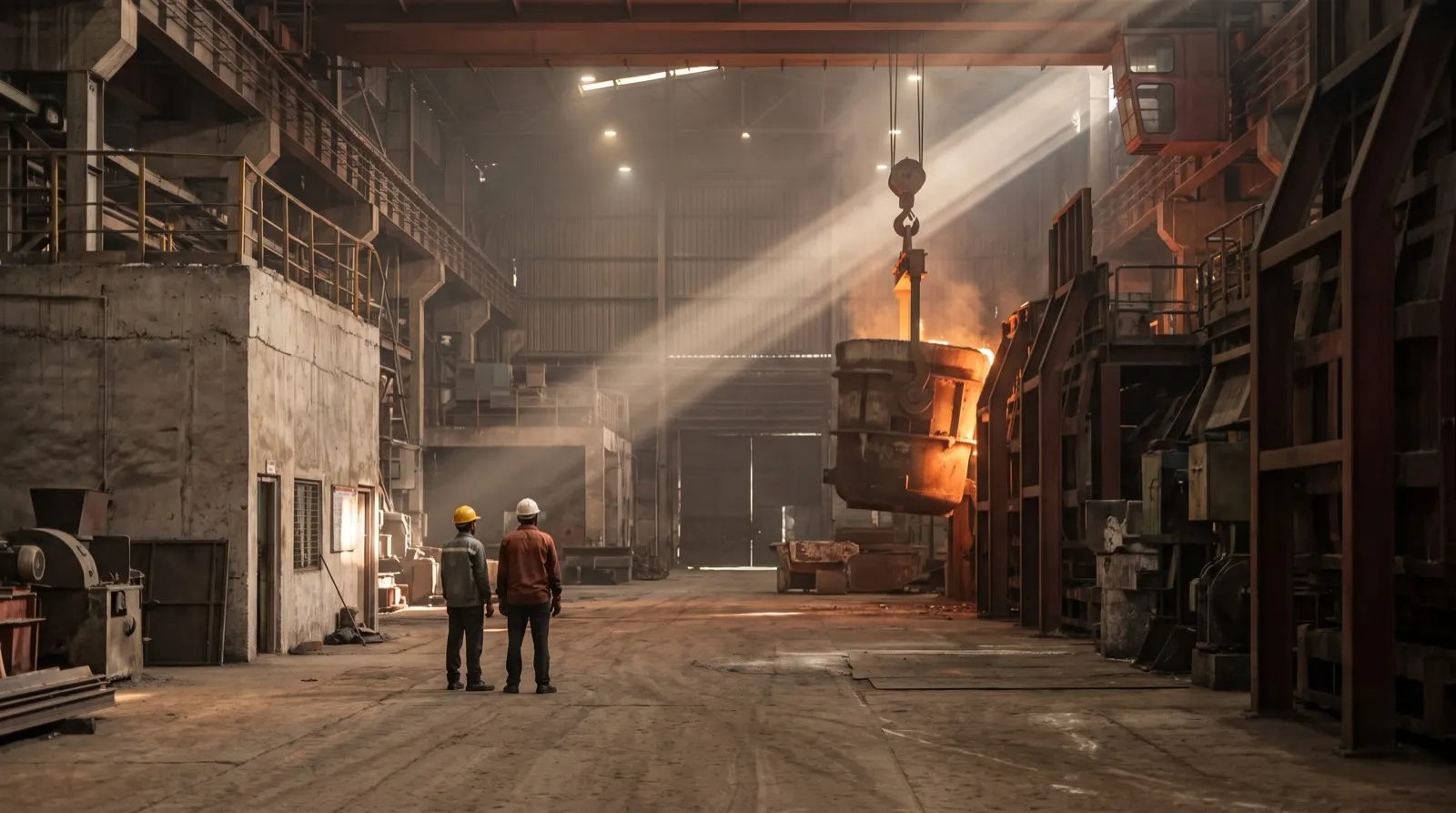
      Steel Twin: Where Steel Twin runs
      Where Steel Twin runs
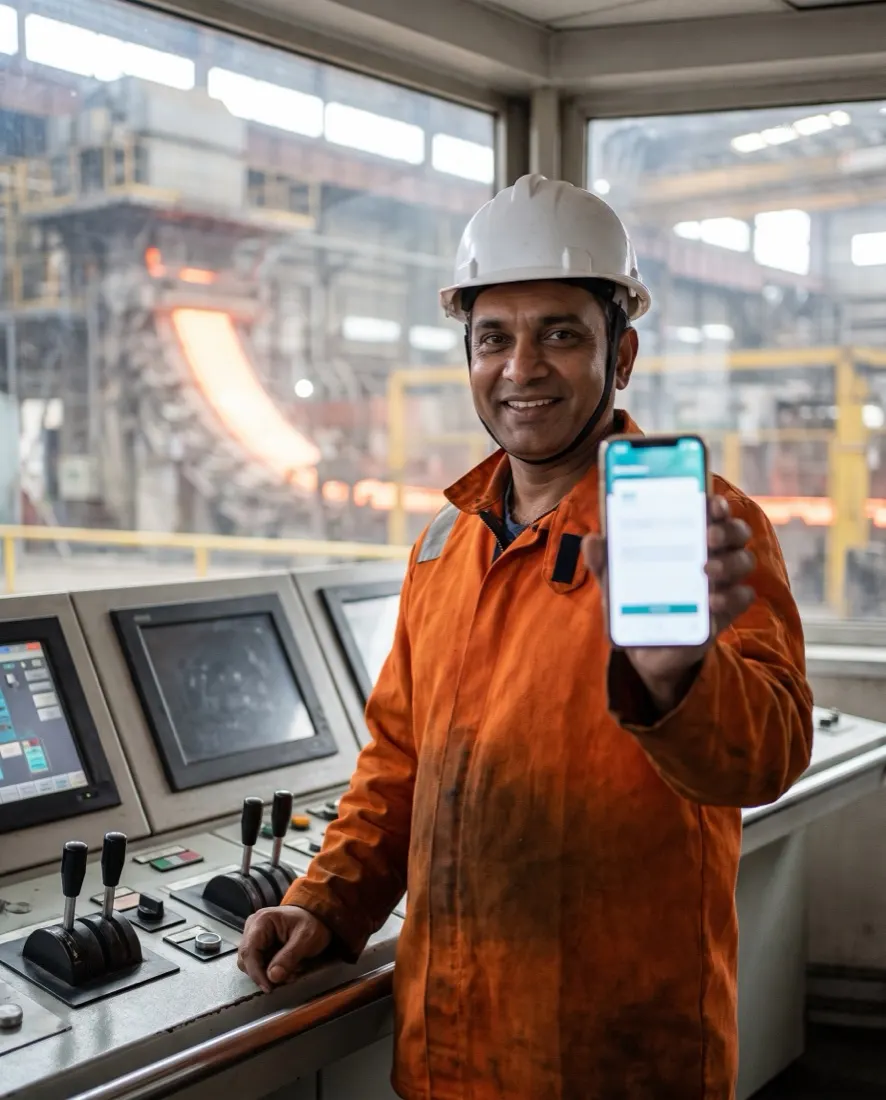
      Steel Twin: On the phone, where the work happens
      On the phone, where the work happens
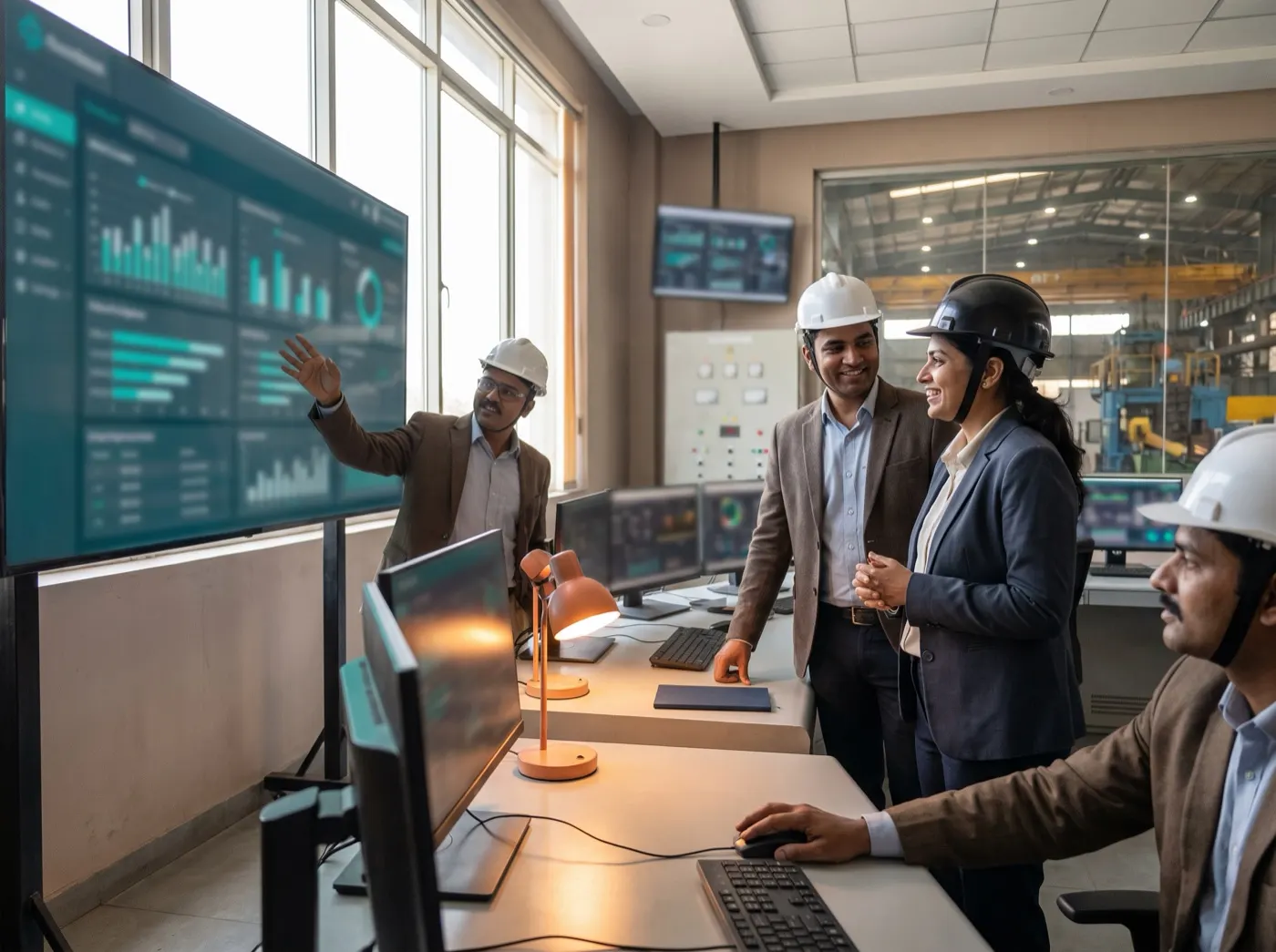
      Steel Twin: The team at the Steel Twin desk
      The team at the Steel Twin desk
      Steel Twin: The detail Steel Twin reads
      The detail Steel Twin reads

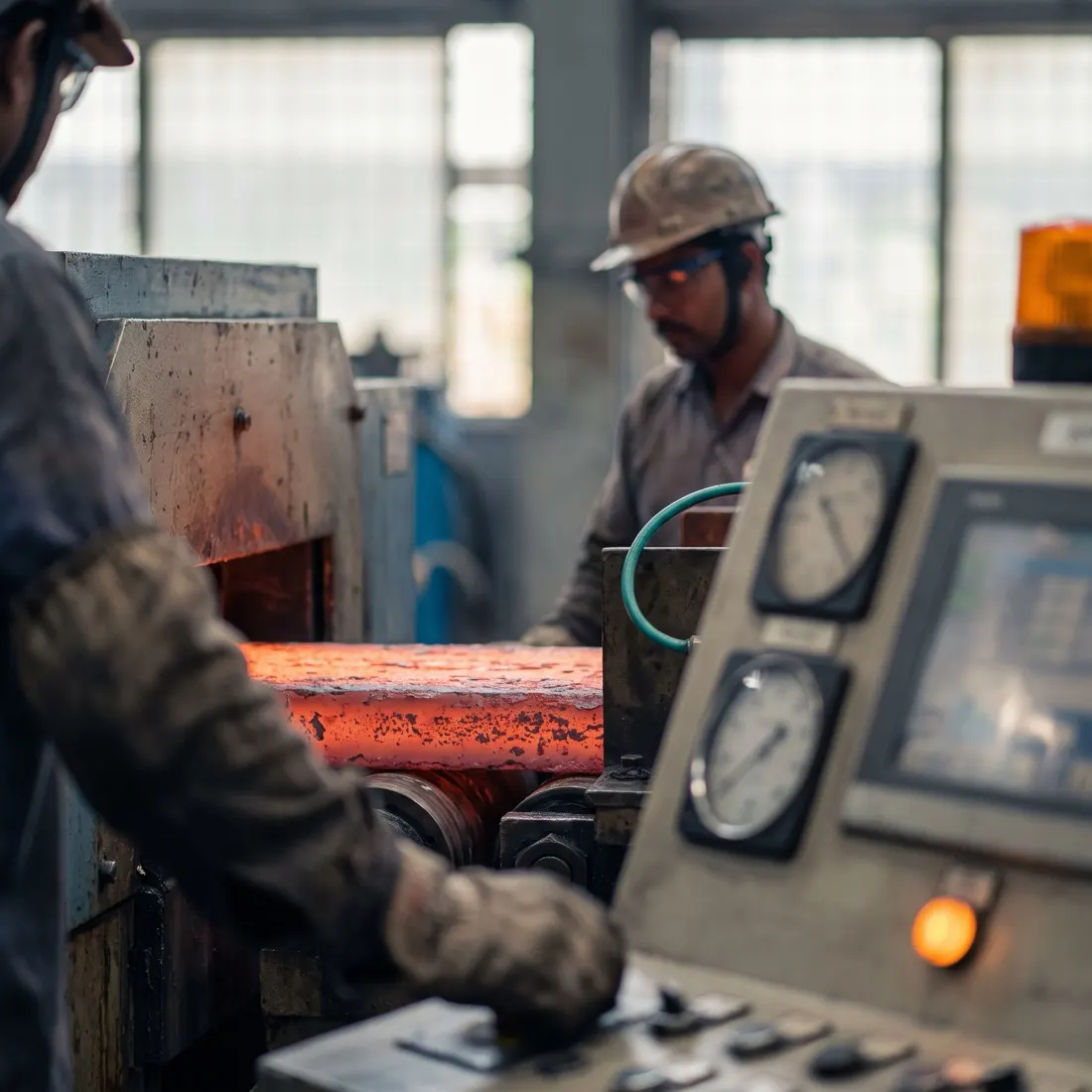
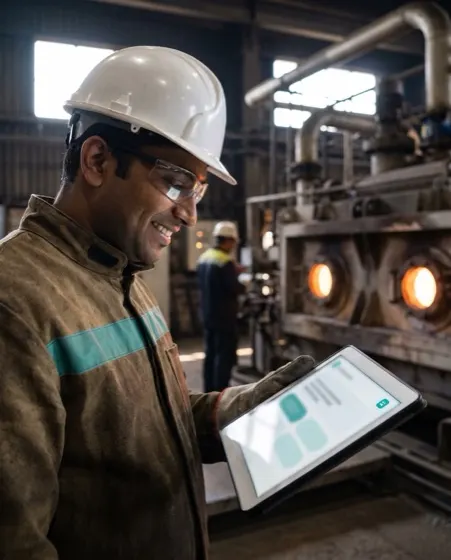
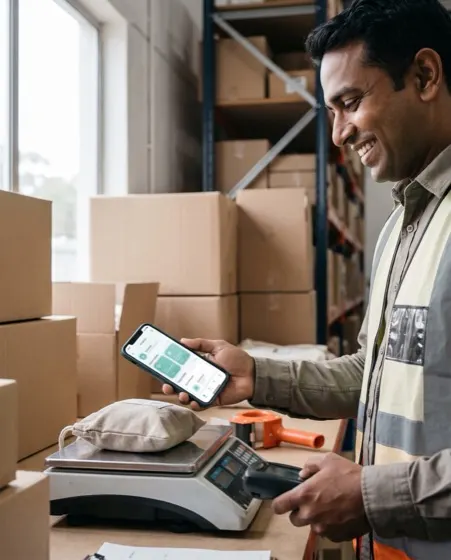
      Photographs are illustrative — real customer sites are not shown.

      • heat_idOne keyacross MES, LIMS, ERP and historian
      • 7Systems joinedPLC · historian · MES · LIMS · ERP · EAM · energy
      • ₹ at riskOn every holdcost of each decision shown
      • LiveEnergy vs normby unit and shift
      • PredictiveAsset healthbefore the sequence breaks
      • ReplayAny shiftwith sources

      01The screens

      From the blast furnace to the coil that ships.

      The control room, the heat queue, quality gates and shift alerts.

      autowhat · Steel Twin / Plant control room Illustrative data
      Steel Twin screen

      The physical flow from raw material to dispatch, and the ranked action queue.

      Product screens with illustrative data — every name, place and figure is a placeholder.

      02Before and after

      Margin leaks between systems, in silence.

      Process, quality, orders and energy are already measured — in seven systems that do not share a clock.

      AreaTodayWith Steel Twin
      HeatsTracked in the unit’s own systemOne genealogy from charge to coil
      HoldsFound at the gate, decided by phoneOptions, cost and history on the hold
      EnergyReported next dayAgainst norm, by unit and shift
      AssetsFixed after the breakHealth exceptions before the sequence breaks
      ReviewShift log and memoryReplay with every event and source

      03One plant record

      Eight steps, from sensor tag to shift decision.

      heat_id is the correlation key; every event keeps its source timestamp and quality flag, so stale data is never hidden.

      1. 01

        Sense

        PLC · SCADA

        Temperatures, flows, speeds and equipment states stream from Level 1.

      2. 02

        Record

        Historian

        Process tags kept as time series for replay.

      3. 03

        Trace

        MES

        Heat, ladle, sequence, slab and coil genealogy joined on heat_id.

      4. 04

        Test

        LIMS · QMS

        Chemistry, mechanical tests, defects and holds attached to each heat.

      5. 05

        Plan

        ERP

        Grade demand, orders and dispatch linked to what is being made.

      6. 06

        Maintain

        EAM

        Asset health, work orders and spares beside the process.

      7. 07

        Rank

        Action queue

        Holds, constraints and variances ranked by cost and urgency.

      8. 08

        Replay

        Shift review

        Every shift replayed with the decisions taken and why.

      04The platform

      Flow, quality, energy and assets on one twin.

      Start with steelmaking and casting; iron-making and mills join on the same record.

      Flow twin · 4

      • Raw material to dispatch
      • Heat queue
      • Sequence planner
      • Shift replay

      Quality · 4

      • Quality gates
      • Holds & disposition
      • Defect Pareto
      • Heat genealogy

      Operate · 4

      • Energy & utilities
      • Asset health
      • Action queue
      • Order adherence

      Data hub · 4

      • PLC / SCADA
      • Historian
      • MES · LIMS
      • ERP · EAM

      05How we deliver

      Steelmaking first, then the whole plant.

      Built with metallurgists and software engineers around your units and your systems.

      1. Months 1–2 · ConnectMES, LIMS and historian joined on heat_id for one shop.
      2. Months 2–3 · OperateHeat queue, quality gates and the action queue in daily use.
      3. Months 3–5 · ExtendEnergy, asset health and iron-making joined.
      4. Then · ScaleMills and dispatch; shift replay for every review.

      06Guide to the 3D twin

      What each view of the twin shows, and why.

      The plant above is fictional and every number is sample data. The eleven views follow one heat's journey; each one is built from data a real plant already records.

      00 · Plant overview

      Every shop and utility on one flow, coloured by status. Output against plan by shop shows where the day is being lost, and the four costliest decisions of the shift sit beside it.

      01 · Raw material yard

      Piles with tonnage, chemistry and days of cover from the burden plan; stacker-reclaimer rates; rake free time, so demurrage is seen before it is billed.

      02 · Iron making

      Coke ovens, sinter, BF-1, stoves, casthouse, torpedoes and slag. Fuel rate by shift against norm, torpedo lining life and the hot metal chemistry that will reach the converters.

      03 · Steel making

      Converters, LF-1, cranes, scrap and alloys. Tap-to-tap against norm, chemistry on the heat the moment LIMS reads it, and re-treat versus regrade priced against the order.

      04 · Casting

      Turret, tundish, two strands, torch and slab yard. Sequence risk from the next heat's arrival, mould-level events sent to slab inspection, and hot-charging share.

      05 · Rolling

      Reheat furnace, roughing, six finishing stands, run-out table, coilers and roll shop. Every delay with its cause, gas per tonne, coiling temperature per coil, roll changes planned.

      06 · Coil yard

      Rows coloured by cooling, released and hold; cranes, rake and truck bay. Only released coils can be loaded, and aged held stock is matched to open orders.

      07 · Utilities

      Power plant, oxygen, gas holder, cooling towers, substation and water. Energy against norm by unit and shift, and by-product gas balanced between flare and boiler.

      08 · Quality holds

      Each open hold with its options, the cost of each against the order, and how similar past heats turned out; the decision goes back into the genealogy.

      09 · Maintenance

      Stores, workshop and the drives on sensors: a health score and remaining life for each, the spare checked in SAP stores and the job booked into the next shutdown.

      10 · Trace

      One heat from blast furnace cast to rake, with time, place and source system for each step: the record that answers a customer claim in minutes.

      LeanLean on the twin

      Lean tools from the raw material yard to the coil yard, each placed where the work happens.

      An integrated steel plant loses most of its time in waits between shops and in small stops. The twin puts each Toyota Production System tool where it applies, keeps its number live from the MES, LIMS, ERP and historian, and sends the exception to its owner on WhatsApp.

      Caster CC-1 · hot strip mill

      Andon

      One lamp per station: turret, tundish and strands at the caster; furnace, roughing, finishing stands, run-out and coilers at the mill. A red lamp goes to the fitter on WhatsApp, and a call still open after 10 minutes goes to the shift in-charge.

      Open calls · response time · mill minutes lost per call

      Hot strip mill · work-roll change

      SMED

      Each roll change is timed step by step and split into internal work (mill stopped) and external work (done while it rolls). Rolls and chocks fetched after the stop show up as time that can move outside, and changes are planned into slab gaps.

      Minutes per change vs target · changes a day · tonnes lost

      EOT cranes · BF-1 · stacker-reclaimers

      TPM

      Breakdowns, MTBF, autonomous-maintenance checks and open TPM tags per machine, joined to the heats or tonnes they cost. A hoist brake running hot becomes a tag before it becomes a ladle hang-up.

      MTBF · breakdown hours · checks signed · open tags

      LF-1 · LIMS

      Jidoka

      A heat whose chemistry is outside its order is held automatically the moment LIMS reads it, the caster is told, and the options (re-treat, regrade, divert) are priced against the order. The rule stops the heat; a person decides what happens next.

      Holds · time to decision · margin at risk

      Refractory store · alloy bunkers

      Kanban

      Bins for SEN, tundish boards, slide-gate plates and alloys are coloured by stock against the reorder line. When a bin hits the line, the card goes to stores or purchase on WhatsApp with the lead time.

      Bins at reorder · stock-outs · days of cover

      Roll shop · mill maintenance bay

      5S

      Yellow-lined zones with a weekly audit score and open red tags. Scrap chocks on the floor or a gap on the shadow board shows up on the twin with its owner and age.

      5S audit score · red tags open · tags older than 14 days

      CC-1 sequence · coil dispatch

      Heijunka

      The caster sequence is levelled by grade so the mill gets a steady mix, and truck loading is levelled into hourly slots so the coil yard is not swamped at the end of a shift.

      Heats in sequence · grade mix · trucks an hour vs slots

      Control room · ore to coil

      Value stream map and kaizen

      Lead time from the raw material yard to the rake, built from heat_id timestamps, with the stock and waiting at each step: piles, slab yard and coil yard. The kaizen board beside it lists what is being done about the biggest waits.

      Lead time in days · value-add share · hot-charging share

      MaintenancePredictive maintenance and spares

      Sensors on 212 drives, a health score on each, and the spare checked before the shutdown.

      An integrated steel plant loses most of its unplanned hours to a few dozen big drives. The twin reads vibration, temperature, oil, pressure and current from the stoves, casthouse, converters, caster, hot strip mill and cranes, predicts what will fail and when, checks the spare in SAP stores and books the job into the next planned shutdown.

      Vibration · bearing temperature · current

      Hot strip mill main drives

      Bearing defects on the stand motors weeks ahead, from the rising vibration level, the defect frequency and bearing temperature. The change is booked into a mill shutdown instead of a 3-day stop.

      Spare: Motor bearing sets, held as critical spares with bin and quantity checked in SAP

      Remaining life · mm/s trend · mill hours lost

      Stroke · frequency · mould level

      Caster mould oscillators and segment drives

      Servo valve and bearing wear from drift in stroke and frequency, joined to mould-level events and slab surface defects on the same strand.

      Spare: Servo valves and segment drive gearboxes, with import lead time shown when stock is zero

      Stroke error · sequences lost · slabs to scarf

      Gearbox oil iron · motor load sharing · brake temperature

      Converter tilt drives and ladle cranes

      Gear wear and unequal load across the tilt motors, and hoist brakes running hot from the lifts per shift, before a converter or a ladle is stuck.

      Spare: Tilt drive brake pads and hoist brake linings on a two-bin kanban

      ppm iron per week · lifts per brake check · MTBF

      Vibration · 1× peak · hydraulic case drain

      Blast furnace stove fans and casthouse drill

      Impeller dust build-up on the combustion air fans and pump wear on the taphole drill pack, so a wash or pump change fits a stove change or a cast gap.

      Spare: Coupling inserts, drill rods and bits, pump cartridges

      Fan health · casts per drill PM · stove cycle lost

      Seal leak · vibration · pressure

      Descaling pumps and utilities

      Seal wear on the 200 bar descaling pumps and bearing faults on oxygen plant compressors and cooling water pumps, from slow trends no shift round would see.

      Spare: Mechanical seals and compressor bearings, including stock at the sister plant

      Leak rate · bar at the header · surface defects per coil

      SAP MM · work orders

      Stores and workshop

      Which critical spares are at zero or under minimum against the jobs the sensors are predicting, and the workshop backlog in days.

      Spare: 486 critical items tracked against open predictions

      Critical spares at zero · PM compliance · backlog days

      07A shift in practice

      Four decisions, one afternoon shift.

      Sample scenarios from the fictional plant above, showing who gets what, when, and what they do with it.

      14:24 · Shift controller

      Converter 1 is 14 minutes late and heat 24876 is on hold for sulphur. The twin shows that the caster will run dry in 34 minutes, sends heat 24877 to converter 2 and proposes slowing both strands for 20 minutes. One tap approves it; the caster in-charge gets the instruction on WhatsApp.

      14:28 · Quality head

      The hold card for heat 24876 shows re-treat at ₹3.1 lakh against regrade at ₹11.4 lakh, with six similar heats that all came within spec. The decision is logged to the heat, so next month's holds are priced on better history.

      14:05 · Energy manager

      Shift energy is 3.8% over norm. The twin splits it: reheat gas from cold charging, oxygen from converter 1 re-blows, coal burnt while BF gas is flared. Each variance goes to the person who can fix it before the shift ends.

      14:12 · Dispatch head

      The Pune rake has 41 of 58 coils. Thirteen released coils sit in row C4 and four are on hold. The twin lists the swap stock if the re-test fails and the time free time runs out, so the rake leaves on schedule.

      08Data sources

      The systems the plant already runs, joined on heat_id.

      Steel Twin reads from existing systems; it does not replace them. Each event keeps its source timestamp and quality flag, so stale data is shown as stale.

      SystemWhat the twin usesJoined onShown in
      PLC · SCADATemperatures, flows, speeds, equipment statesUnit, timeLive status on every shop
      HistorianProcess tags as time seriesTag, time, heat_idFuel rate, tap-to-tap, energy, shift replay
      MESHeat, ladle, sequence, slab and coil genealogyheat_id, slab and coil numbersTrace, sequence risk, slab and coil yards
      LIMS · QMSChemistry, tensile and impact tests, defects, holdsheat_id, sample idHolds with options, releases, certificates
      ERPOrders, grades, customers, rakes and trucksOrder and heat_idMargin at risk, dispatch, order adherence
      EAMWork orders, asset health, sparesAsset tagCrane, torpedo and roll exceptions
      Energy managementPower, oxygen, gas and water metersUnit, shiftEnergy against norm by unit and shift

      09Rollout

      What goes live, in what order, for whom.

      One shop first, on the plant's own data; each phase reuses the record built by the one before.

      PhaseScopeWhat goes liveWho uses it
      Months 1–2 · ConnectSteelmaking and castingMES, LIMS and historian joined on heat_id; heat genealogy for one shopShift controller, quality head
      Months 2–3 · OperateSame shopHeat queue, quality gates with priced options, action queue on WhatsAppShift teams, quality, PPC
      Months 3–5 · ExtendIron-making and utilitiesEnergy against norm, asset health, BF casts linked to heatsEnergy manager, maintenance, BF team
      Then · ScaleMills and dispatchCoils, coil yard, rakes and trucks; shift replay for every reviewPlant head, dispatch, sales

      10Compared

      Twin, MES dashboards and SCADA: different jobs.

      A plant needs all three. The difference is the question each one answers.

      Twin vs MES dashboards vs SCADA

      SCADA / HMIMES dashboardsSteel Twin
      Main questionIs the unit running right now?What did my shop produce?What needs a decision, and what is it worth?
      ScopeOne unit or areaThe shops inside the MESOre to coil, across MES, LIMS, ERP, EAM and historian
      TimeSecondsShift and day reportsLive, with shift replay
      Quality holdsNot coveredHold recordedOptions priced against the order, with similar past heats
      EnergyUnit readingsDaily totalsAgainst norm by unit and shift, sent to the owner
      ActionAlarms to the operatorReports to managersOne ranked queue; decisions on WhatsApp, logged to the heat

      Which kind of digital twin is Steel Twin?

      Kind of twinBuilt fromQuestion it answers
      Asset / maintenance twinEquipment data, condition monitoring and maintenance historyWhich machine is likely to fail, and when?
      Simulation twinProcess or physics models of a unit or layoutWhat happens if we change the recipe, sequence or layout?
      Operational twin (Steel Twin)PLC, SCADA, historian, MES, LIMS, ERP, EAM and energy data joined on heat_idWhat needs a decision this shift, and what is it worth?

      heat_id

      The number that follows one batch of liquid steel from converter to coil; Steel Twin uses it to join every system.

      Tap-to-tap

      Minutes from one converter tap to the next; the main measure of converter shop pace.

      Sequence

      Heats cast one after another on the same tundish without stopping the caster; a break costs a restart.

      Hot charging

      Slabs sent to the reheat furnace while still hot, saving gas compared with cold slabs.

      Fuel rate

      Coke plus injected coal per tonne of hot metal, in kg/thm; the main blast furnace cost number.

      Quality hold

      A heat, slab or coil stopped because a test or process value is outside the order's limits.

      Re-treat / regrade

      Fix the steel at the ladle furnace, or sell it as a lower grade; the twin prices both.

      Coiling temperature

      Strip temperature at the coiler; it sets mechanical properties, so a miss can mean a re-test.

      OverviewSteel Twin · steel plant digital twin

      Steel plant digital twin: how Steel Twin works

      A steel plant digital twin is a live model of the plant's physical flow, from blast furnace and converter to ladle, caster and mills, fed by the systems the plant already runs. In many Indian integrated plants, chemistry, process, order and energy data sit in separate systems that do not share a clock, so a problem heat is found at the gate, each shop optimises its own number, and energy overruns appear in the next morning's report.

      Steel Twin joins PLC and SCADA, the historian, MES, LIMS, ERP and EAM on one key, heat_id, so every heat is traced from charge to coil with its grade, sales order, route and chemistry. For steel quality control, a heat whose chemistry is outside its order is held the moment LIMS reads it, and every hold arrives with its options, cost and history; energy is shown against norm by unit and shift; and one action queue ranks what needs a decision. Every shift can be replayed with its sources. It starts with steelmaking and casting, then extends to iron-making and mills.

      Heat genealogy and heat traceability from charge to coil

      Heat, ladle, sequence, slab and coil are joined on heat_id across MES, LIMS, ERP and the historian, so each heat carries its grade, sales order, route, chemistry and stage.

      Steel quality control: every hold with its options priced

      Every hold shows its options, such as re-treat or regrade, priced against the order it affects, with similar past heats showing what worked.

      Steel plant energy monitoring by unit and shift

      Power, oxygen and gas are tracked against norm by unit and shift, and variances are pushed to the shift controller while the shift can still correct them.

      One action queue for the steel plant control room

      Holds, sequence risks, constraints and energy variances are ranked by cost and urgency in one queue, and one tap logs the decision to the genealogy.

      Asset health beside the process

      Asset health exceptions and work orders from EAM sit beside the process so a problem is seen before the casting sequence breaks.

      Shift replay for every review

      Any shift can be replayed with every event, decision and source; each event keeps its source timestamp and quality flag, so stale data is shown as stale.

      Who it is for

      • Plant heads of integrated steel plants who need one view of flow from raw material to dispatch instead of each shop's own number.
      • Shift controllers who need holds, sequence risks and energy variances while the shift can still act, not in the next day's report.
      • Quality heads who need every hold with its options, cost and heat history to decide re-treat, regrade or divert quickly.

      Read next

      Steel Twin compared

      Manual / spreadsheetsGeneric softwareSteel Twin
      Heat traceabilityRebuilt by hand from unit logsTracked inside each unit's own systemOne genealogy from charge to coil on heat_id
      Quality holdsFound at the gate, decided by phoneHold recorded, cost not shownOptions, cost against the order and past similar heats on the hold
      Energy vs normMorning report, after the shiftPlant totals in a dashboardBy unit and shift, pushed to the controller
      What to act on nextWhoever calls loudestSeparate alarms per systemOne action queue ranked by cost and urgency
      Shift reviewShift log and memoryCharts without decisionsReplay with every event, decision and source

      FAQQuestions we get about Steel Twin

      Straight answers, before the call.

      Steel Twin is a digital-twin control room for integrated steel plants: raw material to dispatch on one live flow, every heat linked to grade, sales order, route and chemistry, quality gates priced, energy against norm and one ranked action queue. Short, factual answers for buyers, procurement and the assistants people ask first.

      In short. Steel Twin is a digital-twin control room for integrated steel plants: raw material to dispatch on one live flow, every heat linked to grade, sales order, route and chemistry, quality gates priced, energy against norm and one ranked action queue. It is built for plant heads, shift controllers and quality heads in steel. It exists to remove the problems those teams describe in almost every first conversation: holds discovered at the gate, after casting; and each shop optimising its own number. With Steel Twin, teams get a heat genealogy joined on heat_id across MES, LIMS, ERP and historian, and every hold with options, cost and history. It connects to PLC / SCADA & historian, MES · LIMS, ERP · EAM and Energy management, is used by Plant head · shift controllers · QA, and runs on web + mobile. Like every Autowhat AI product, Steel Twin goes live on one site, lane or process first, usually within weeks, on managed cloud, in your own VPC or on-premises, and shares one operational record with the other products, so the second deployment reuses the data and integrations of the first.

      What is a steel plant digital twin?

      It is a live model of the plant's physical flow fed by the systems the plant already runs. Steel Twin is an operational twin: a control room that links every heat to its grade, sales order, route and chemistry and ranks what needs a decision.

      How does heat traceability work in Steel Twin?

      heat_id is used as the key across MES, LIMS, ERP and the historian. Heat, ladle, sequence, slab and coil are joined on it, so any coil can be traced back to its charge with the chemistry and process data attached.

      Steel plant MES vs digital twin: what is the difference?

      An MES tracks production inside its own scope. Steel Twin sits across MES, LIMS, ERP, EAM, the historian and energy systems, joins them on heat_id and adds a ranked action queue and shift replay; it uses the MES rather than replacing it.

      How does a digital twin help steel quality control?

      Steel Twin holds a heat automatically the moment LIMS reads chemistry outside its order, and tells the caster. Each hold shows options such as re-treat or regrade priced against the order, with similar past heats. Chemistry, mechanical tests and defects attach to the heat, and a defect Pareto shows where losses repeat.

      How is a digital twin used in the steel industry?

      Steel Twin is an operational twin of the plant's flow from raw material yard to coil yard. It traces every heat to its grade, order and chemistry, shows holds with options priced, tracks energy against norm by unit and shift, ranks one action queue and replays any shift with its sources.

      Which systems does Steel Twin connect to?

      PLC and SCADA, the historian, MES, LIMS and QMS, ERP, EAM and energy management. Every event keeps its source timestamp and quality flag.

      How long does a steel plant digital twin take to deploy?

      Steel Twin starts with one shop: months 1 to 2 join MES, LIMS and the historian on heat_id; months 2 to 3 put the heat queue, quality gates and action queue into daily use; months 3 to 5 add energy, asset health and iron-making, then mills and dispatch.

      How much does Steel Twin cost?

      It is priced per deployment after a 30-minute working session on your own data; there is no public list price. The first wave is scoped in that call.

      Who is Steel Twin for?

      Plant heads, shift controllers and quality heads in steel. A digital-twin control room for integrated steel plants: raw material to dispatch on one live flow, every heat linked to grade, sales order, route and chemistry, quality gates priced, energy against norm and one ranked action queue.

      What problems does Steel Twin remove?

      Holds discovered at the gate, after casting; each shop optimising its own number; energy overruns reported the next day.

      Do you need new sensors for a steel plant digital twin?

      Not to start. Steel Twin reads the tags that PLC, SCADA and the historian already record, plus heat, test, order, work-order and meter data from MES, LIMS, ERP, EAM and energy management, and joins them on heat_id. Each event keeps its source timestamp and quality flag, so stale data is shown as stale.

      Is Steel Twin a predictive maintenance digital twin?

      No. Steel Twin is an operational twin built on one heat record, not a model of equipment wear. It shows asset health exceptions and EAM work orders, such as crane, torpedo and roll exceptions, beside the process, so a maintenance problem is seen before it breaks the casting sequence.

      How do we start with Steel Twin?

      With a 30-minute working session on your own data — an engineer from the relevant sector, not a sales queue. The first wave is scoped in that call; most products go live on one site, lane or process within weeks and then scale.

      Where does Steel Twin run, and who owns the data?

      On managed cloud, in your own VPC (AWS, Azure or GCP) or on-premises, with your keys. SOC 2 Type II and ISO 27001 controls, India data residency when required, and local or open-weight models when policy demands it. The data stays yours.

      Is the 3D steel plant on this page real plant data?

      No. The plant is fictional and every number is sample data. It shows how Steel Twin presents a real plant once MES, LIMS, ERP and the historian are joined on heat_id.

      What data does a steel plant digital twin need to start?

      Heat records from the MES, chemistry and test results from LIMS, process tags from the historian and orders from ERP for one shop. Steel Twin starts with steelmaking and casting and adds iron-making, mills and dispatch later.

      Does Steel Twin replace our MES or SCADA?

      No. It reads from PLC and SCADA, the historian, MES, LIMS, ERP, EAM and energy systems and joins them on heat_id. Those systems keep running as they do today.

      How does a digital twin help reduce energy per tonne in a steel plant?

      It shows power, oxygen and gas against norm by unit and shift while the shift can still correct them, and links each variance to its cause, such as cold charging or converter re-blows.

      How are quality holds decided in Steel Twin?

      Each hold shows its options, such as re-treat, inspect, re-test, regrade or divert, the cost of each against the order it affects, and how similar past heats turned out. The decision is logged to the heat genealogy.

      Can Steel Twin trace a coil back to its blast furnace cast?

      Yes. Heat, ladle, sequence, slab and coil are joined on heat_id, so a coil can be traced to its heat, converter, caster strand and the hot metal that went into it, with chemistry and process data attached.

      Who receives Steel Twin alerts, and how?

      Each decision goes to its owner, such as the shift controller, caster in-charge, quality head or dispatch head, on WhatsApp and in the web and mobile views, ranked by cost and urgency.

      Can Steel Twin run on-premises in an Indian steel plant?

      Yes. It runs on managed cloud, in your own VPC or on-premises, with India data residency when required.

      Which lean tools does the steel plant twin show?

      Andon at the caster and the hot strip mill, SMED for roll changes, TPM for cranes and the blast furnace, jidoka holds on chemistry, kanban for refractories and alloys, 5S in the roll shop and maintenance bay, heijunka for the caster sequence and truck slots, and a value stream map from ore to coil. Each is fed from the plant's own MES, LIMS, ERP and historian data.

      How does Steel Twin help cut roll-change time on a hot strip mill?

      Every roll change is logged as a delay with its cause and timed step by step, so internal and external work can be separated the SMED way. The twin shows when the spare set will be ready in the roll shop and suggests changing in a slab gap.

      How does the twin support TPM for cranes in a steel plant?

      Breakdowns, MTBF, planned maintenance and open TPM tags for each crane are joined to the heats they delay. A hoist brake or motor running above its limit becomes a tag with an owner before it becomes a breakdown.

      06Briefing

      Bring one week of heat records. We’ll show you where the margin leaked.

      A working session: your heats traced end to end, holds priced, and the first action queue built.